Red Art Prize 2026
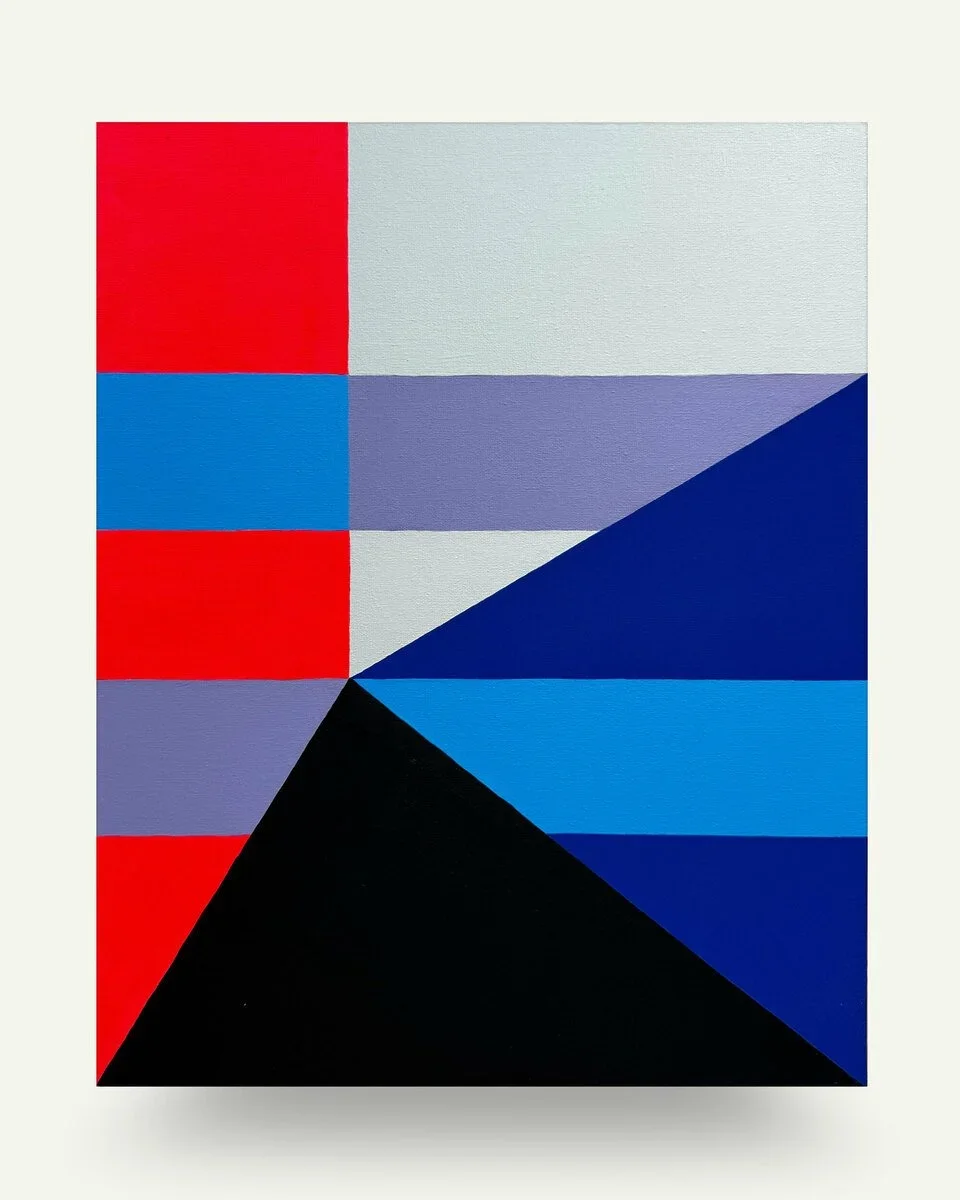
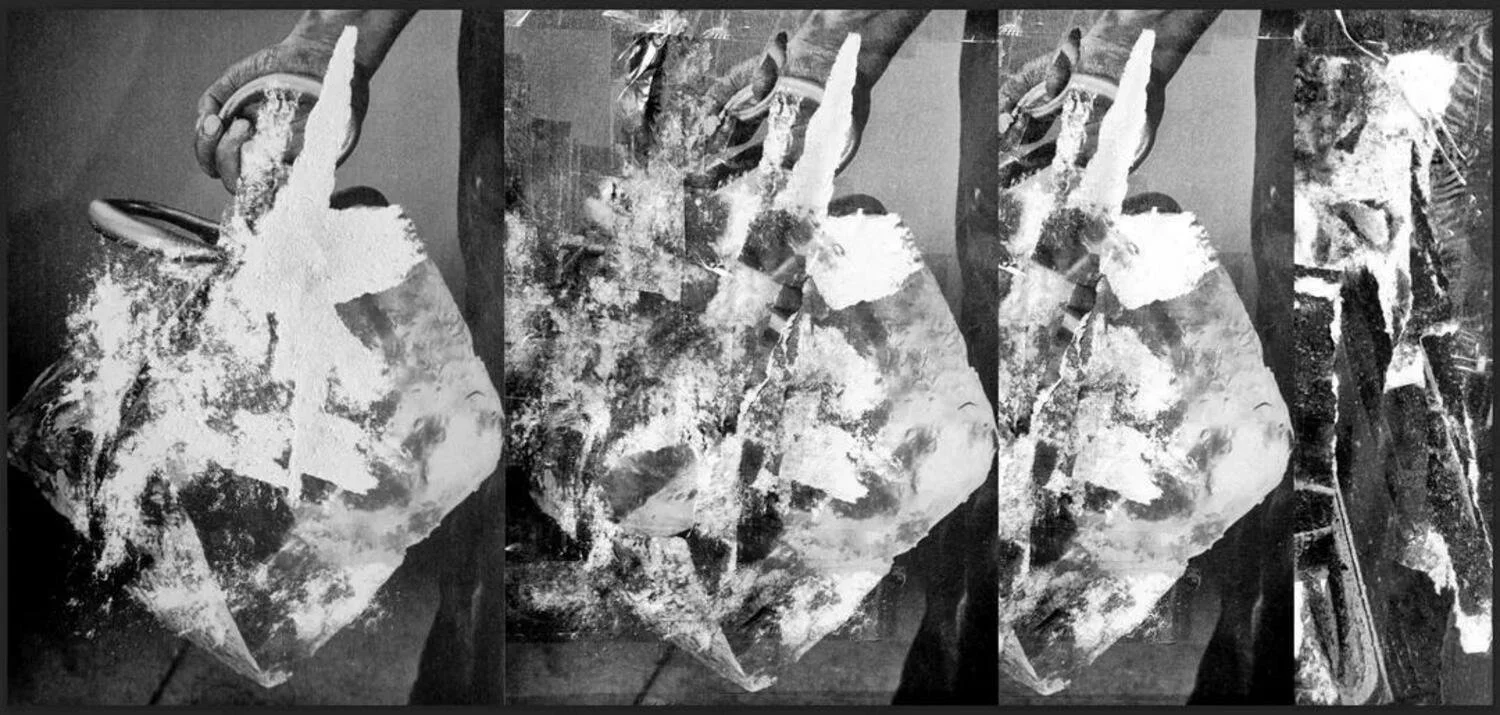
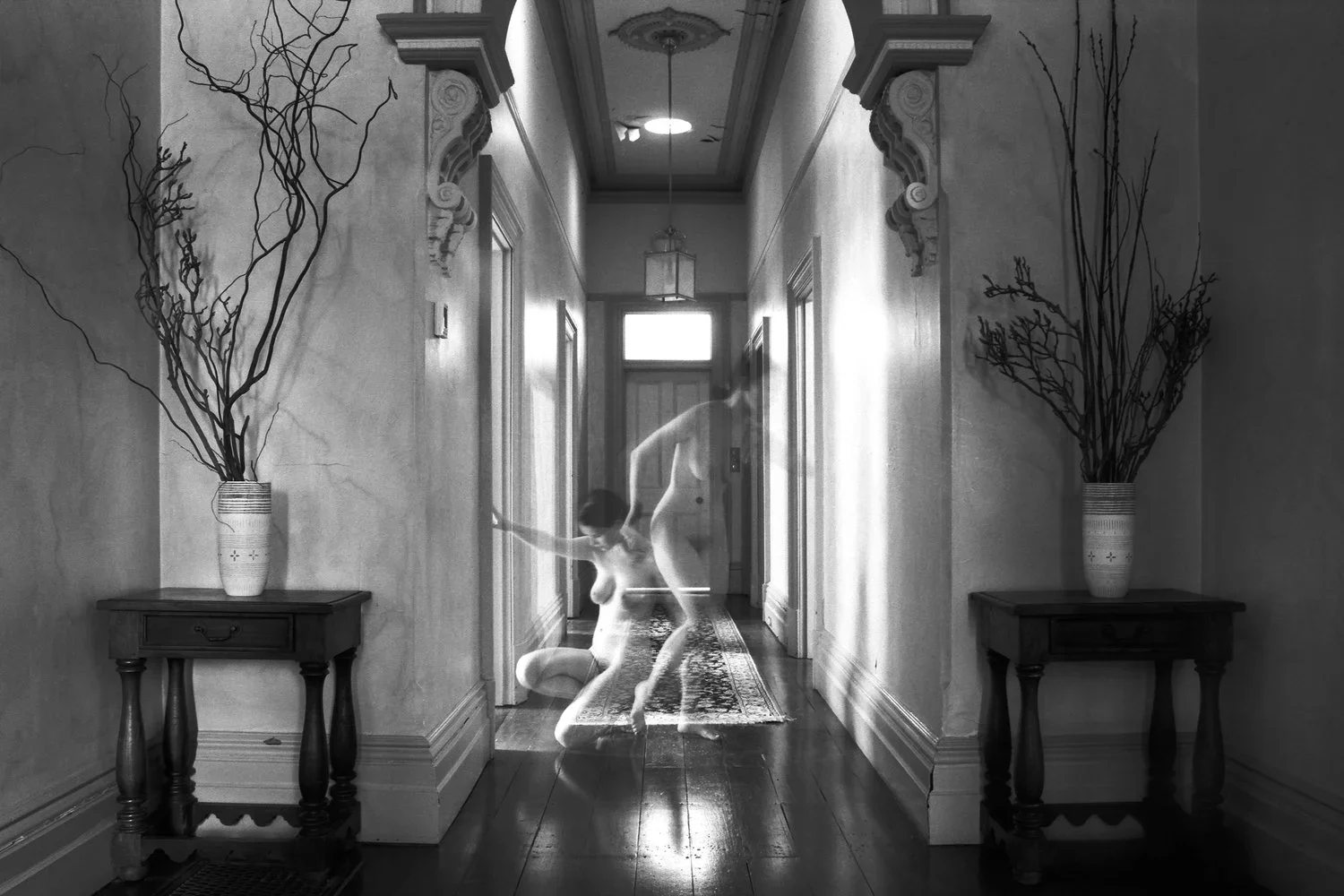
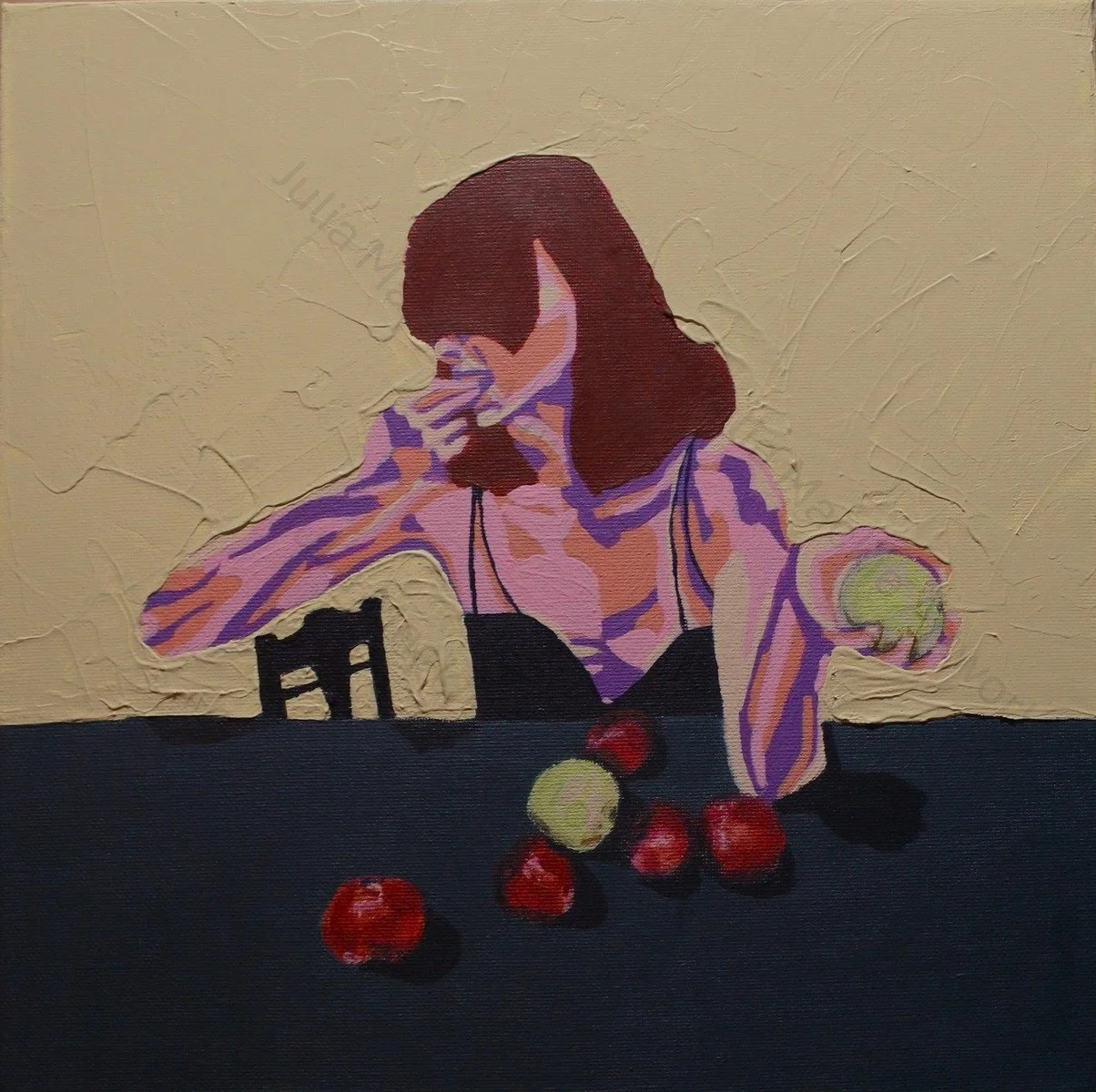
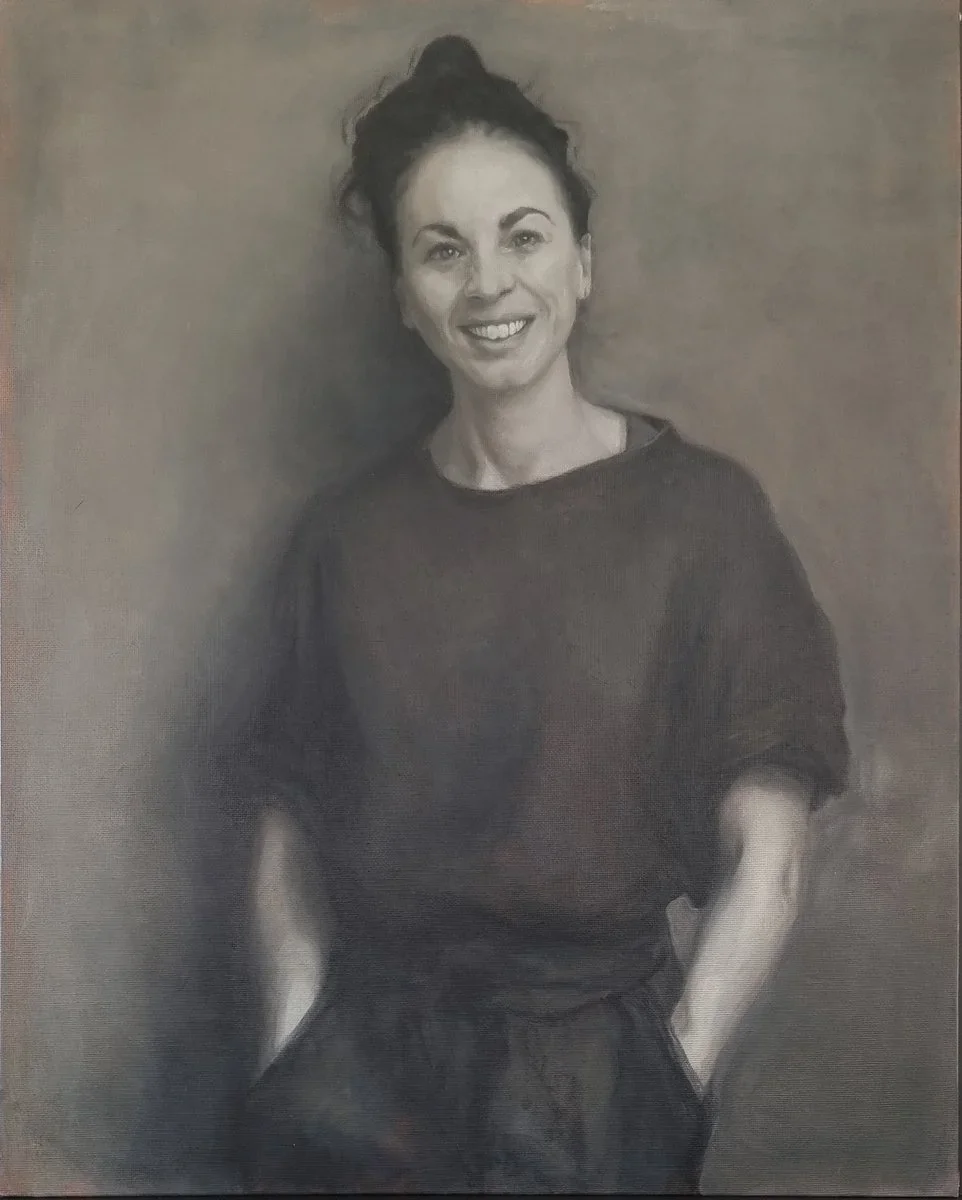
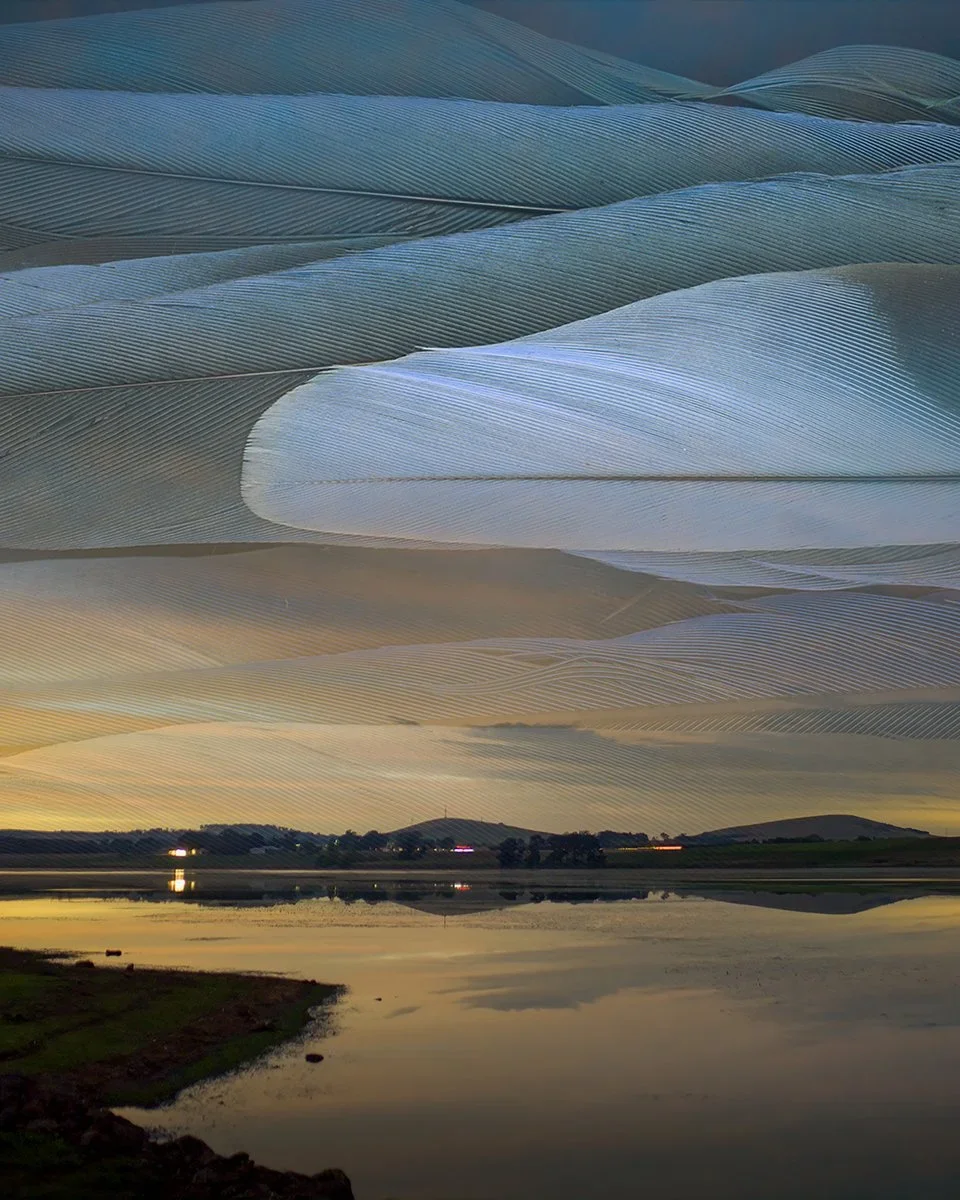
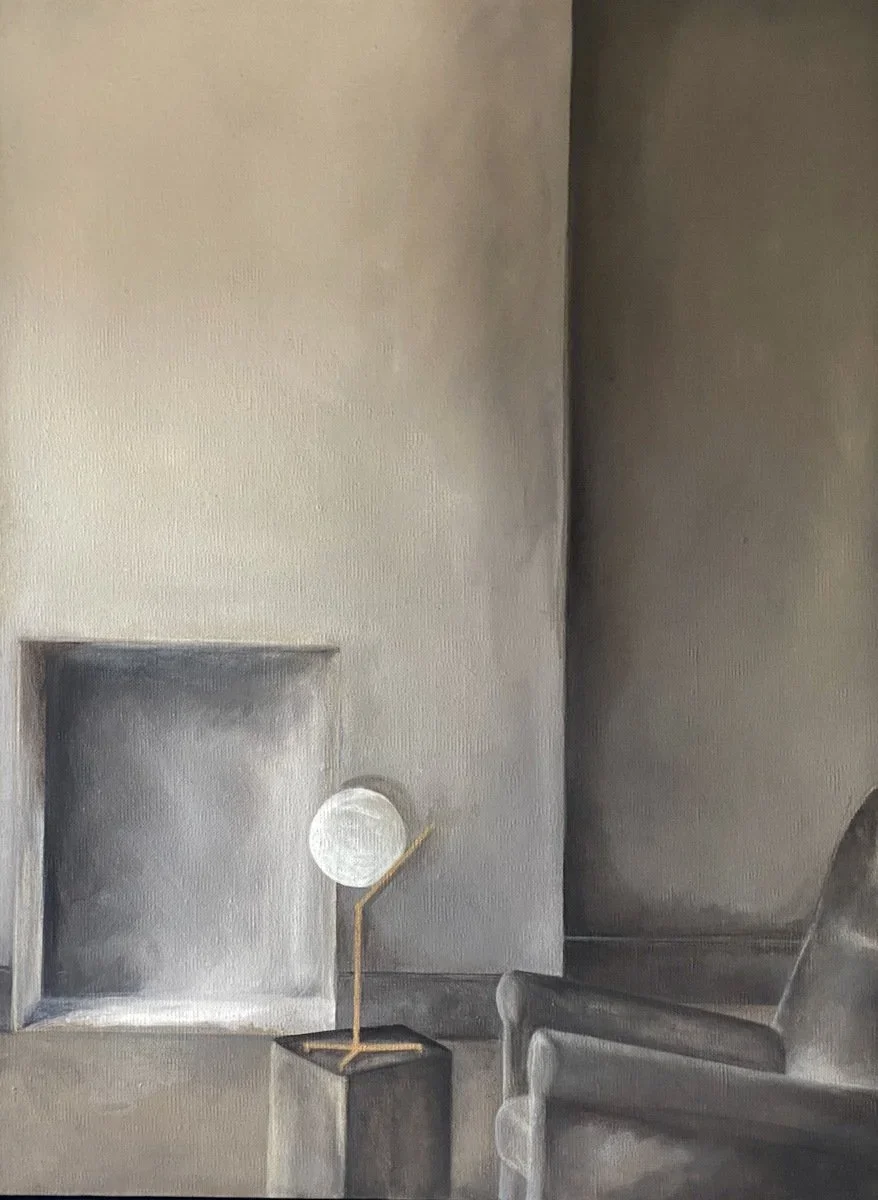
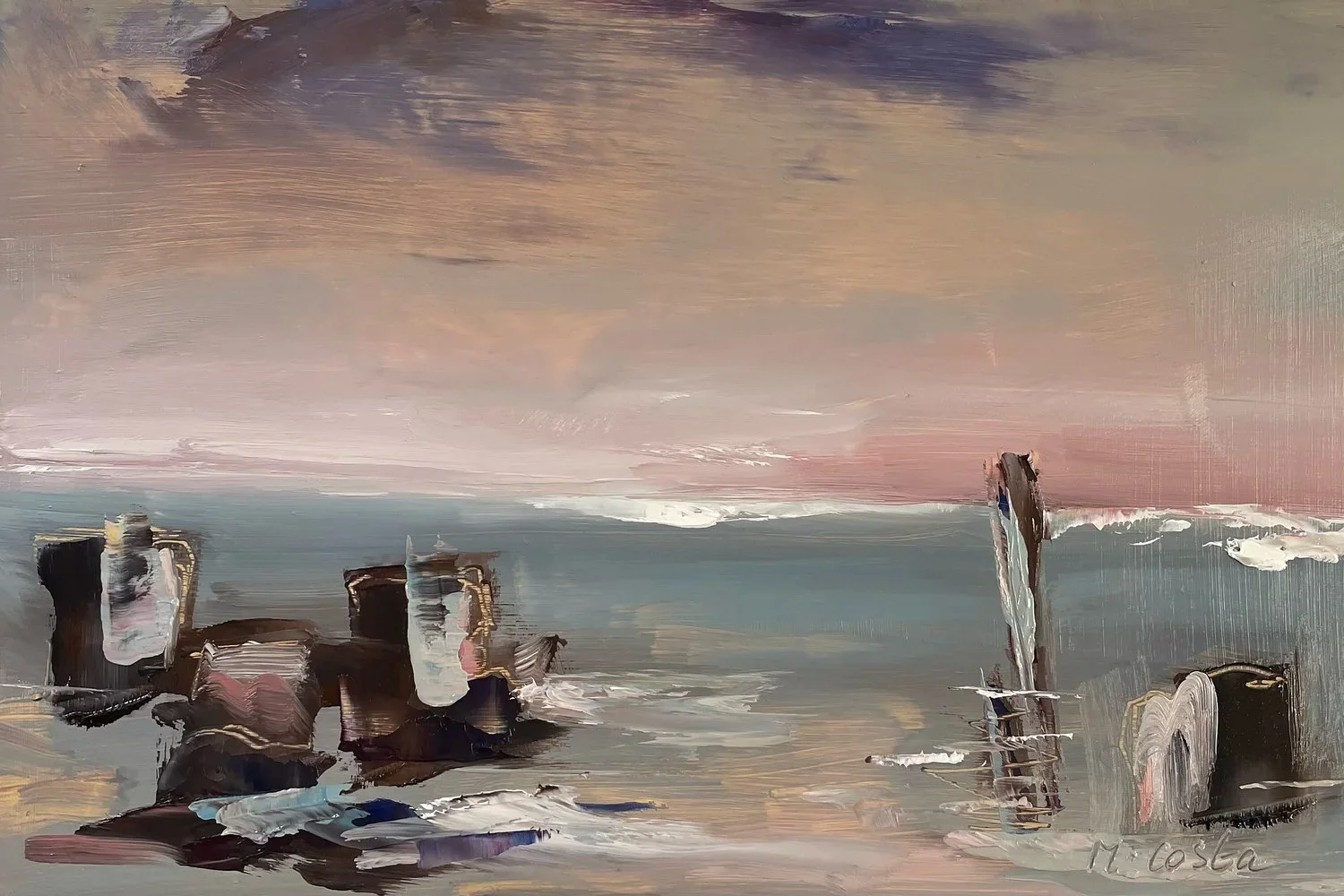
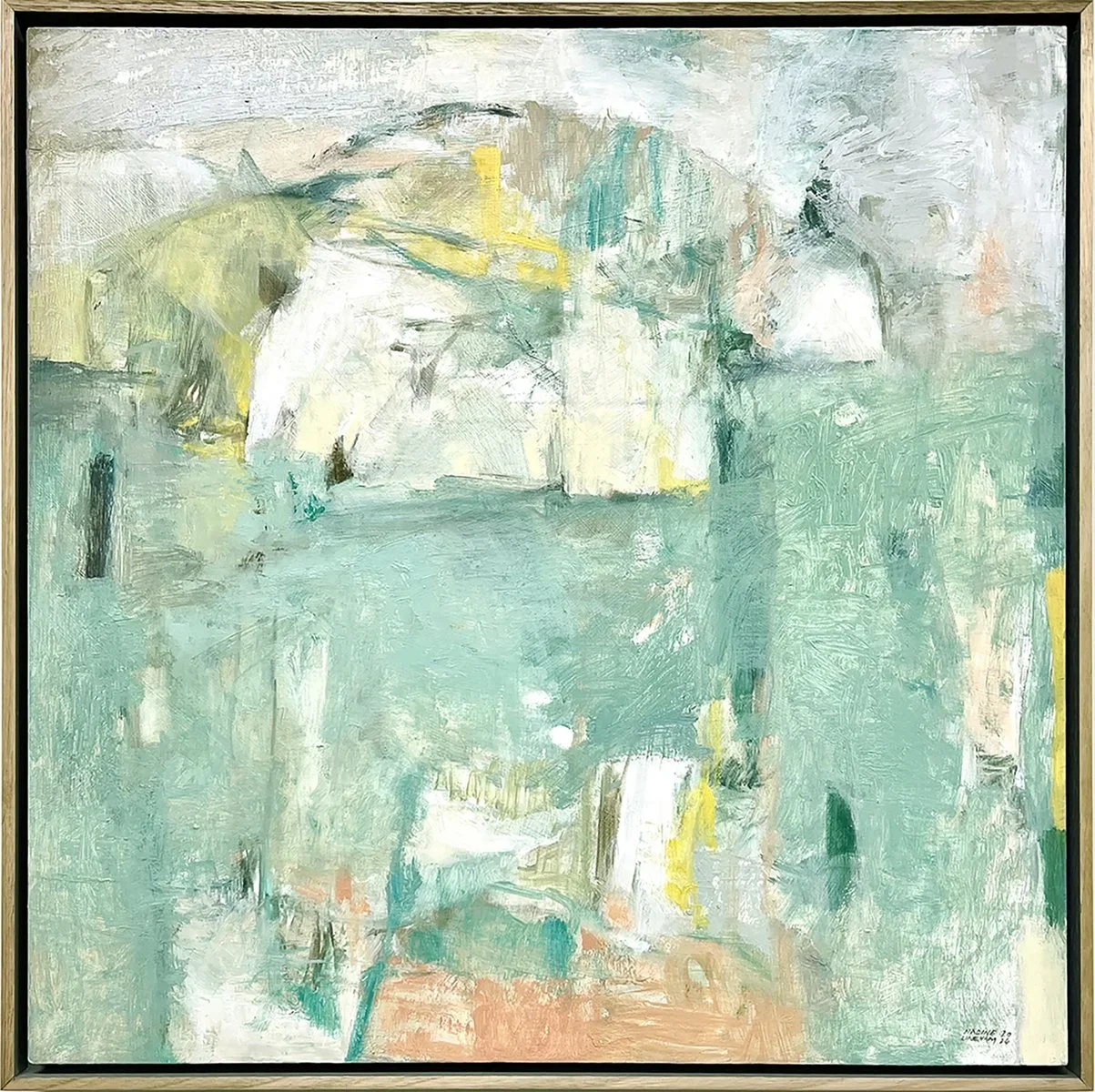
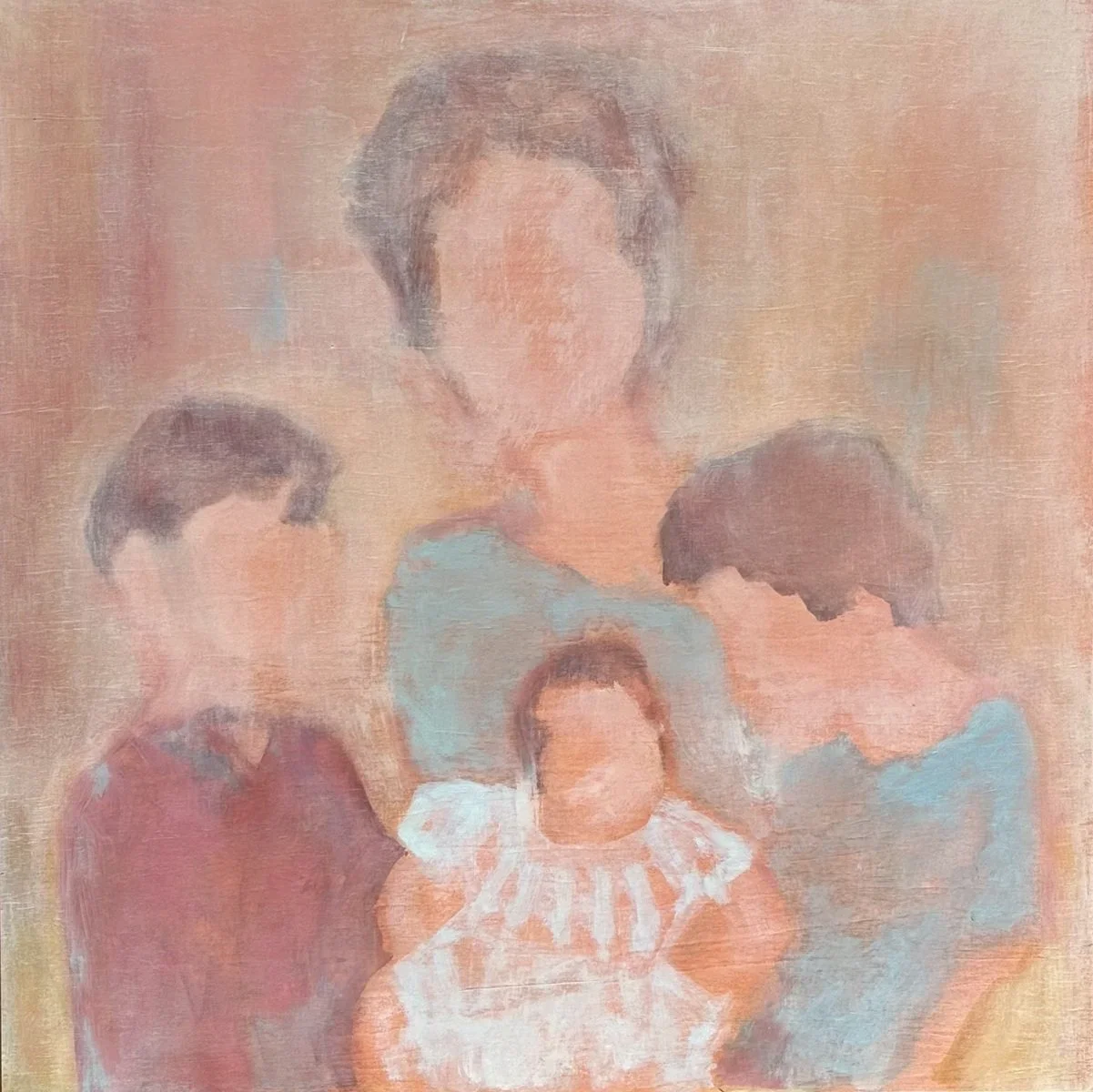
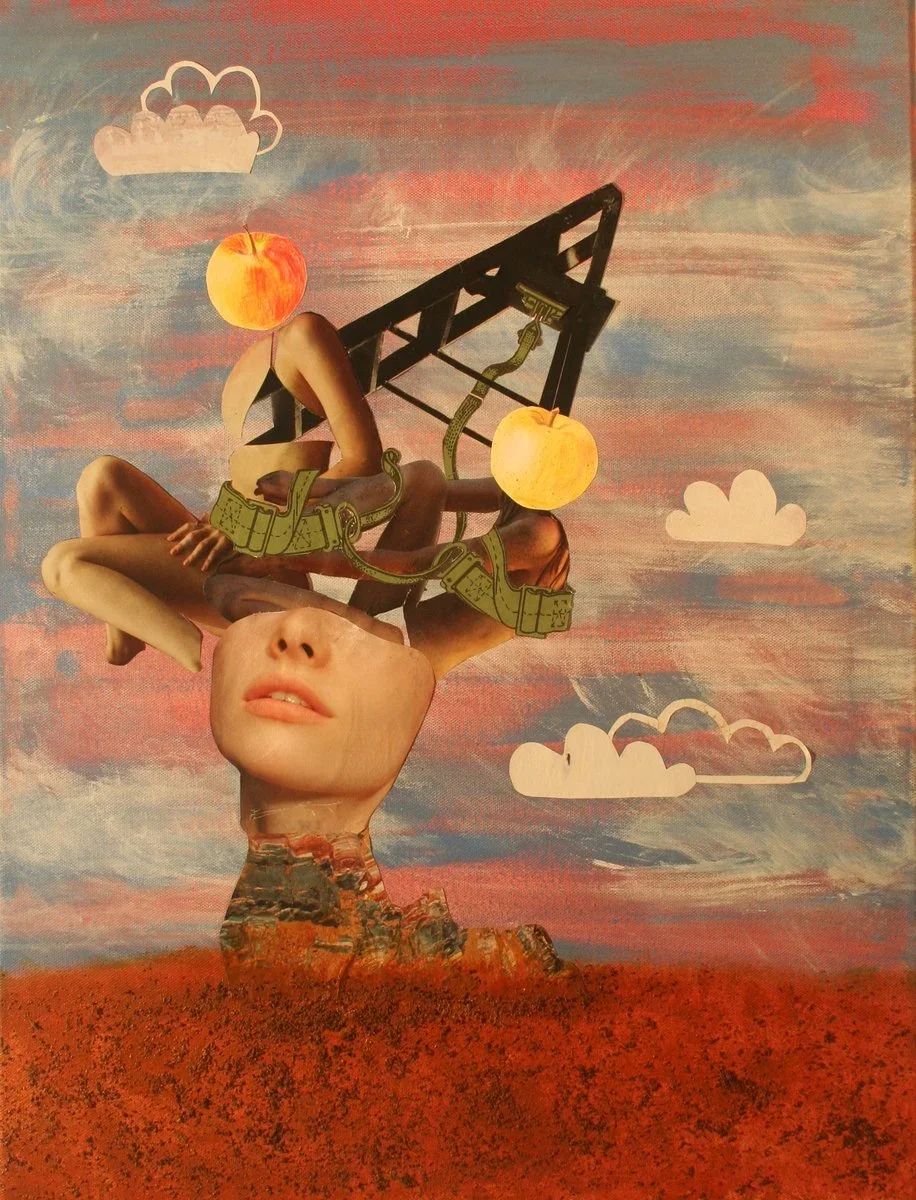
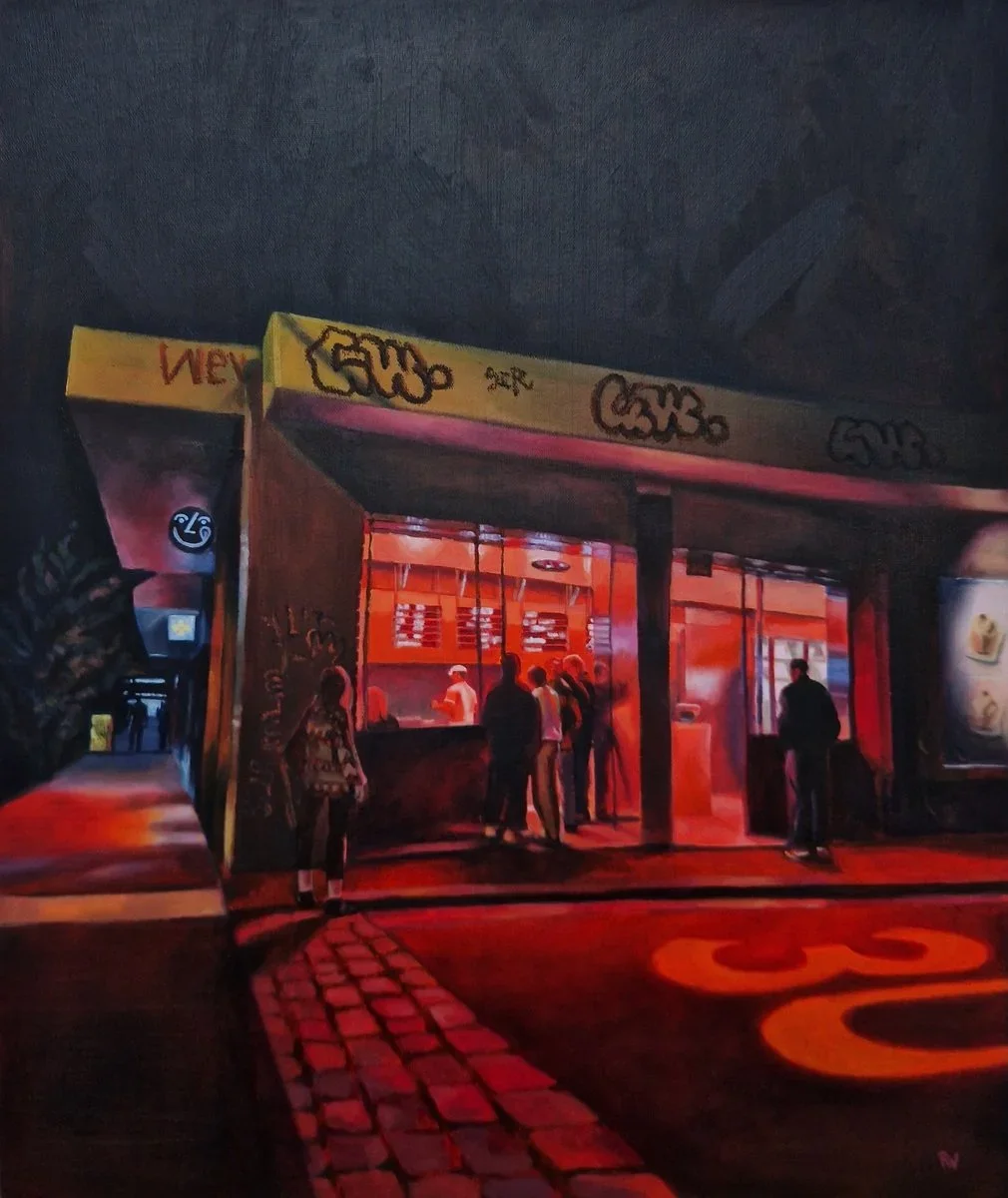
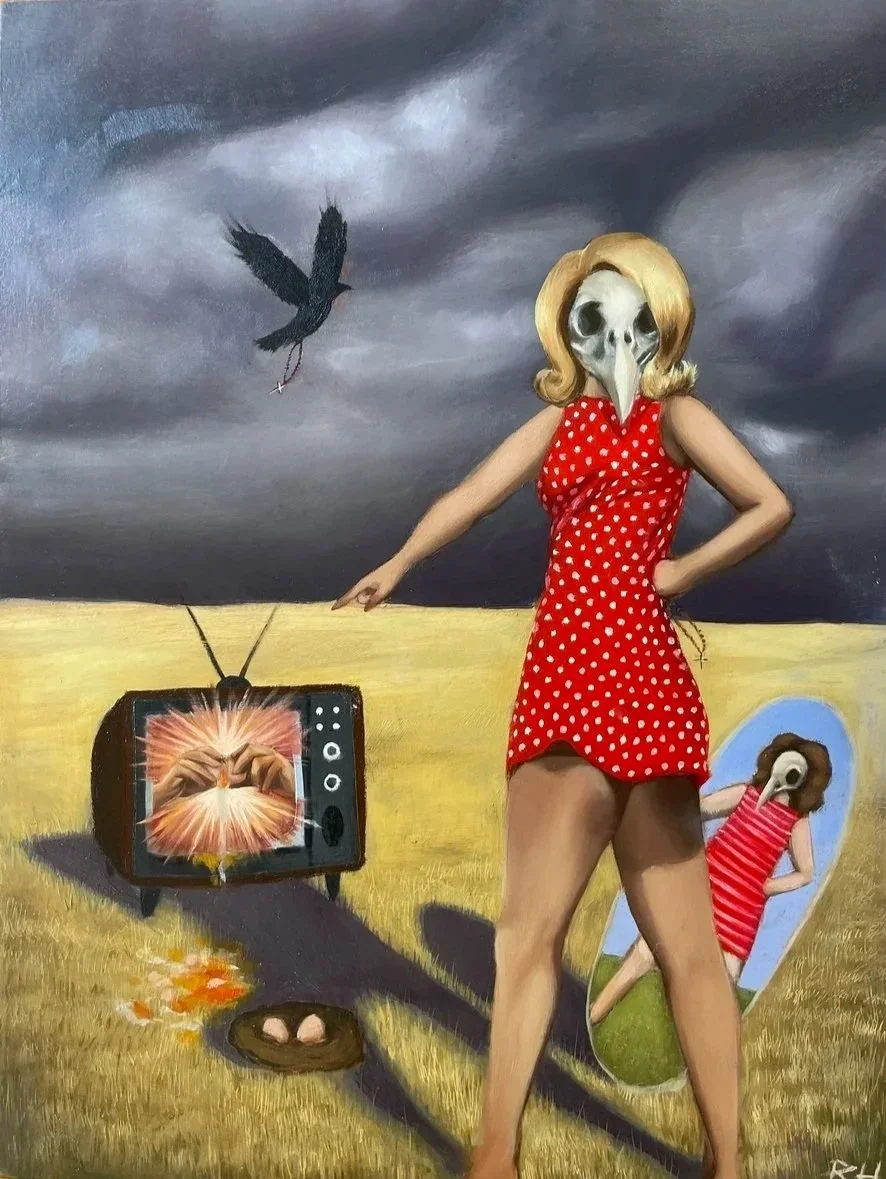
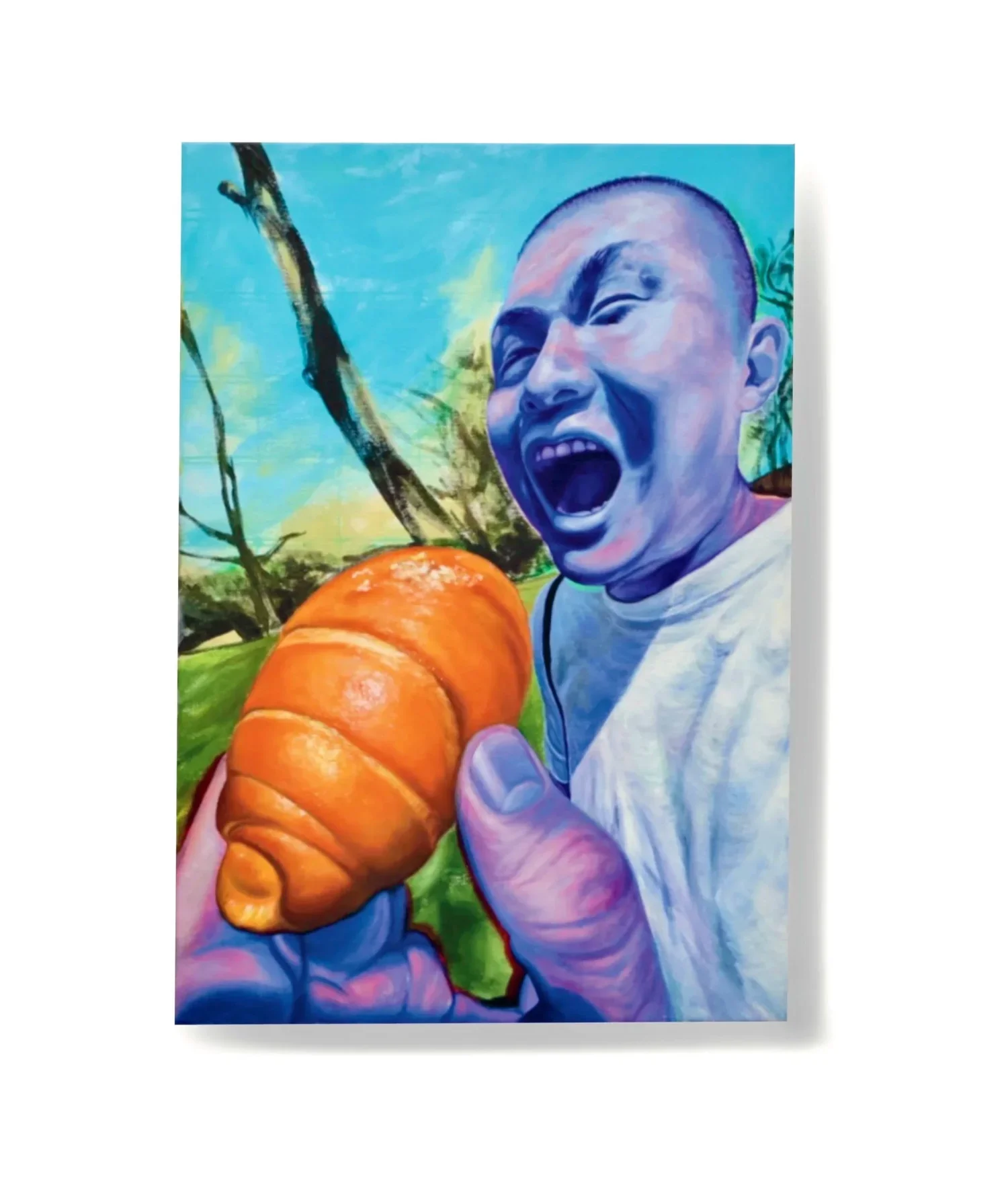
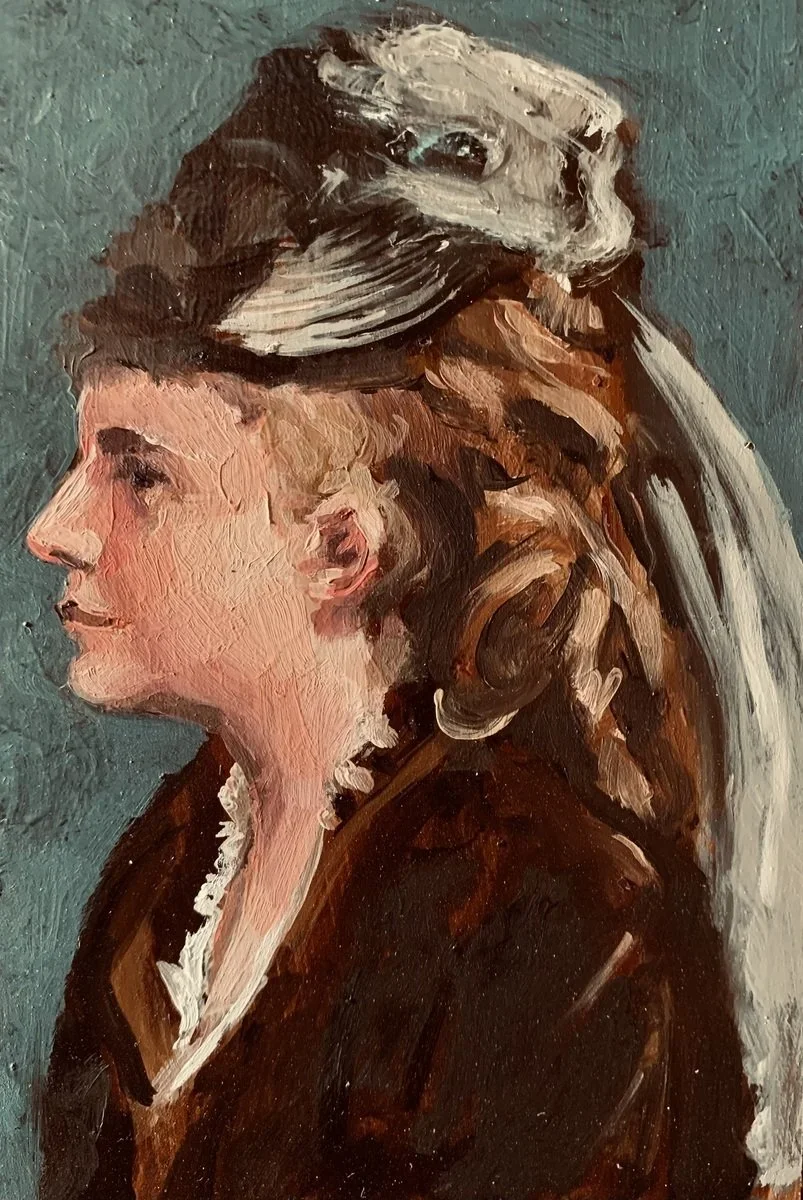
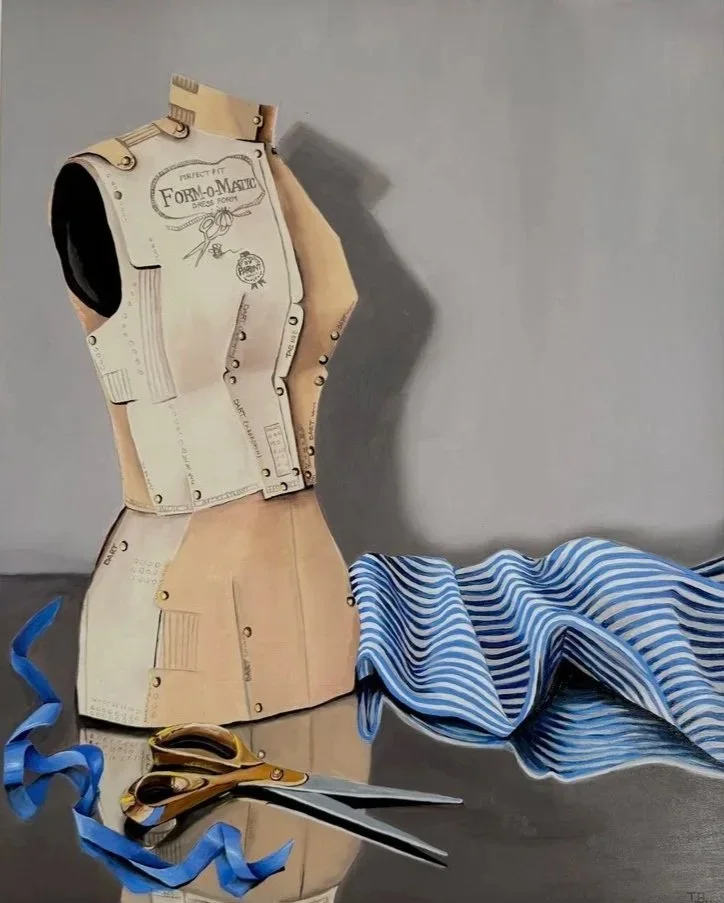
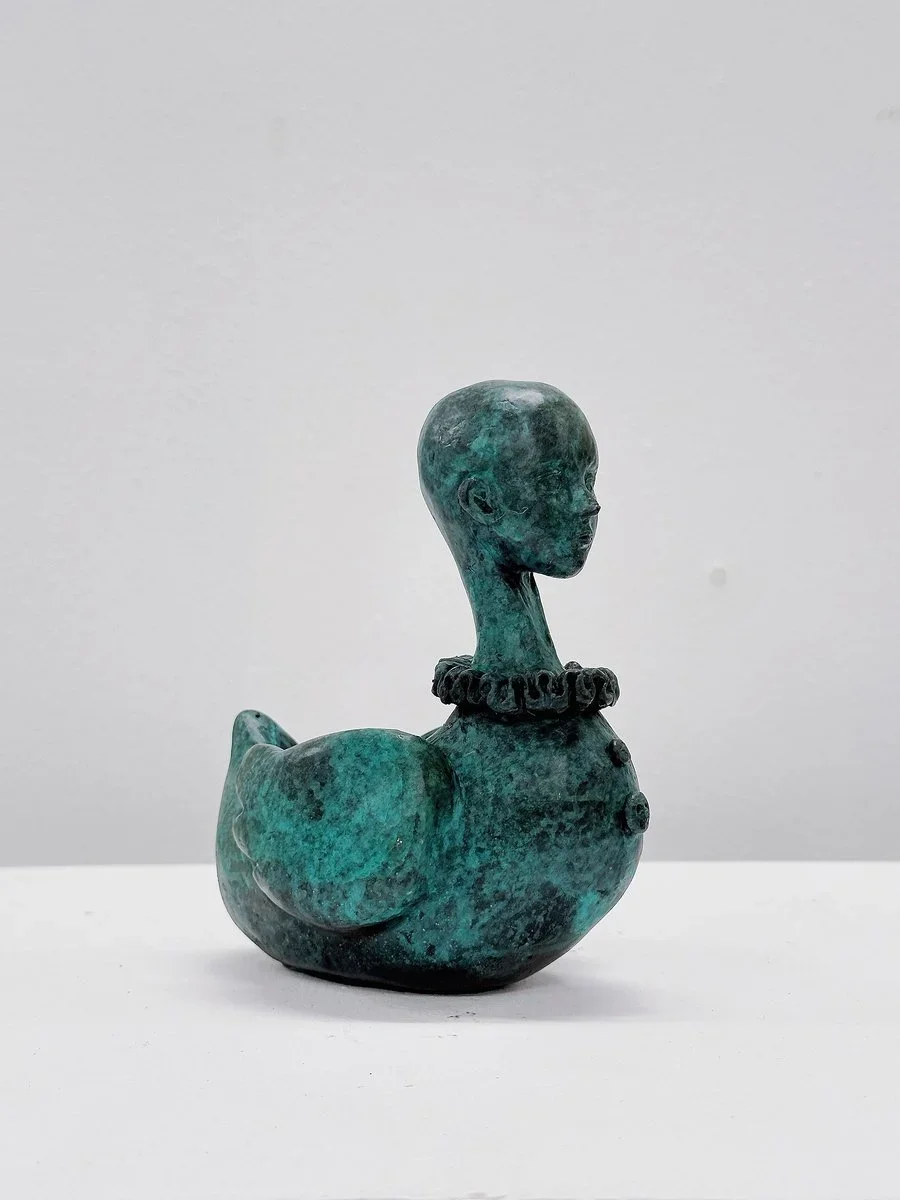
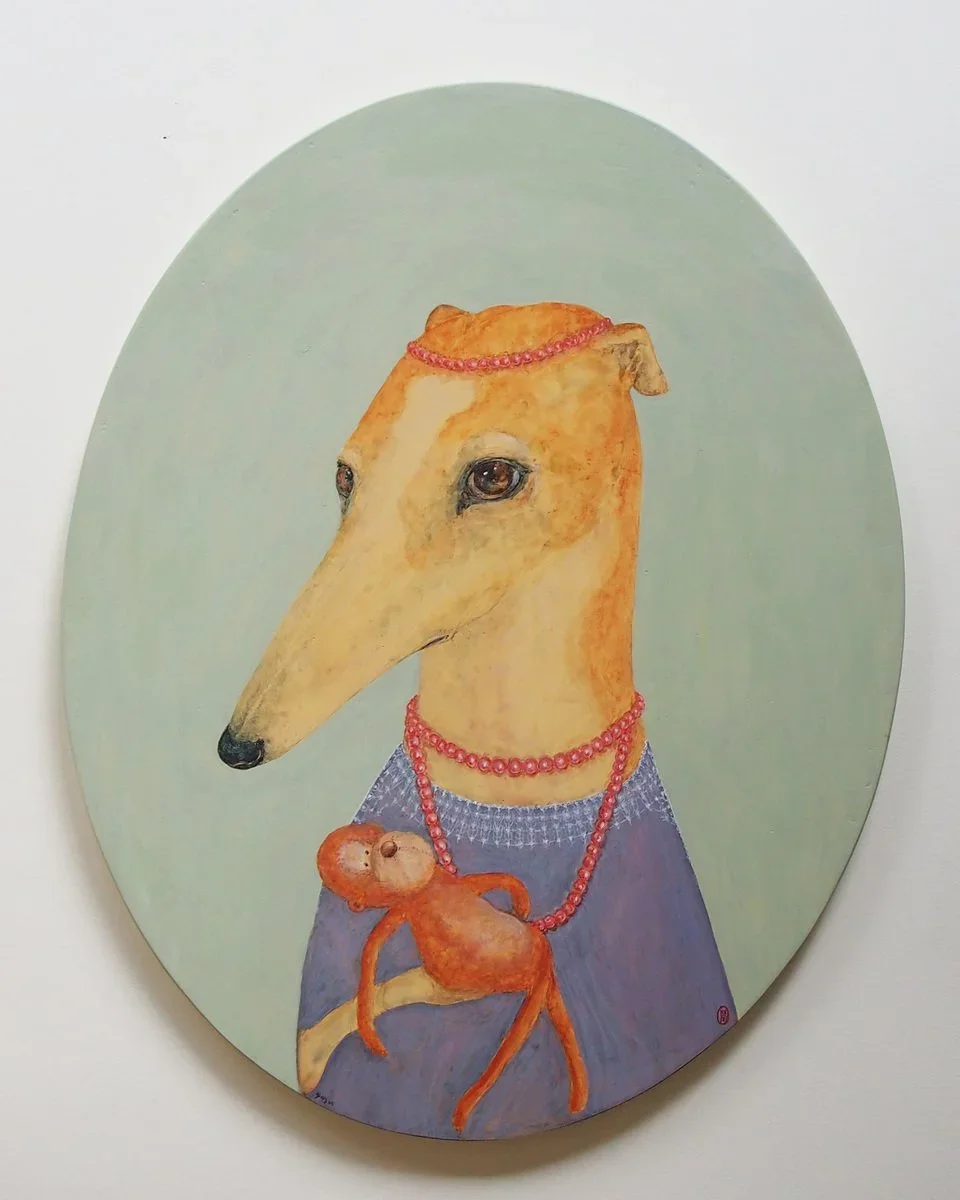
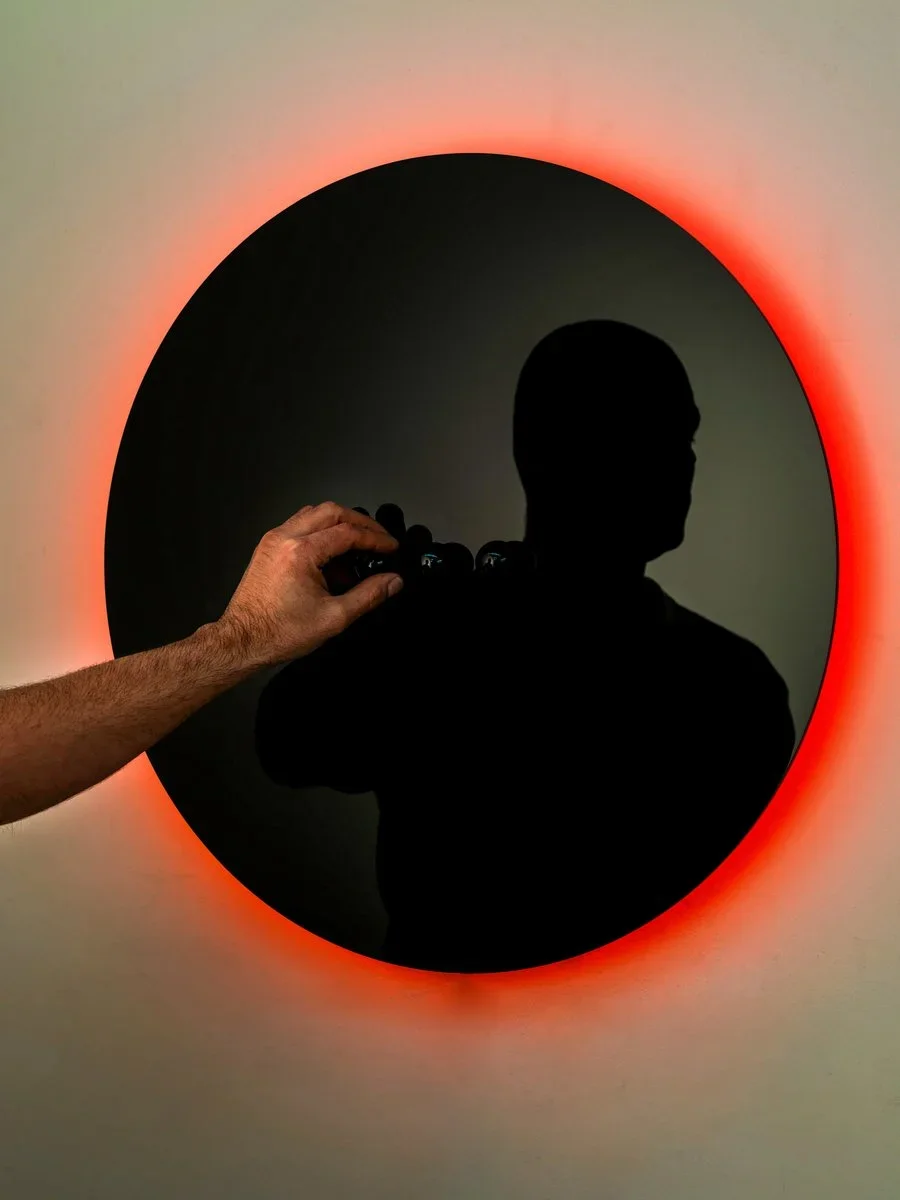
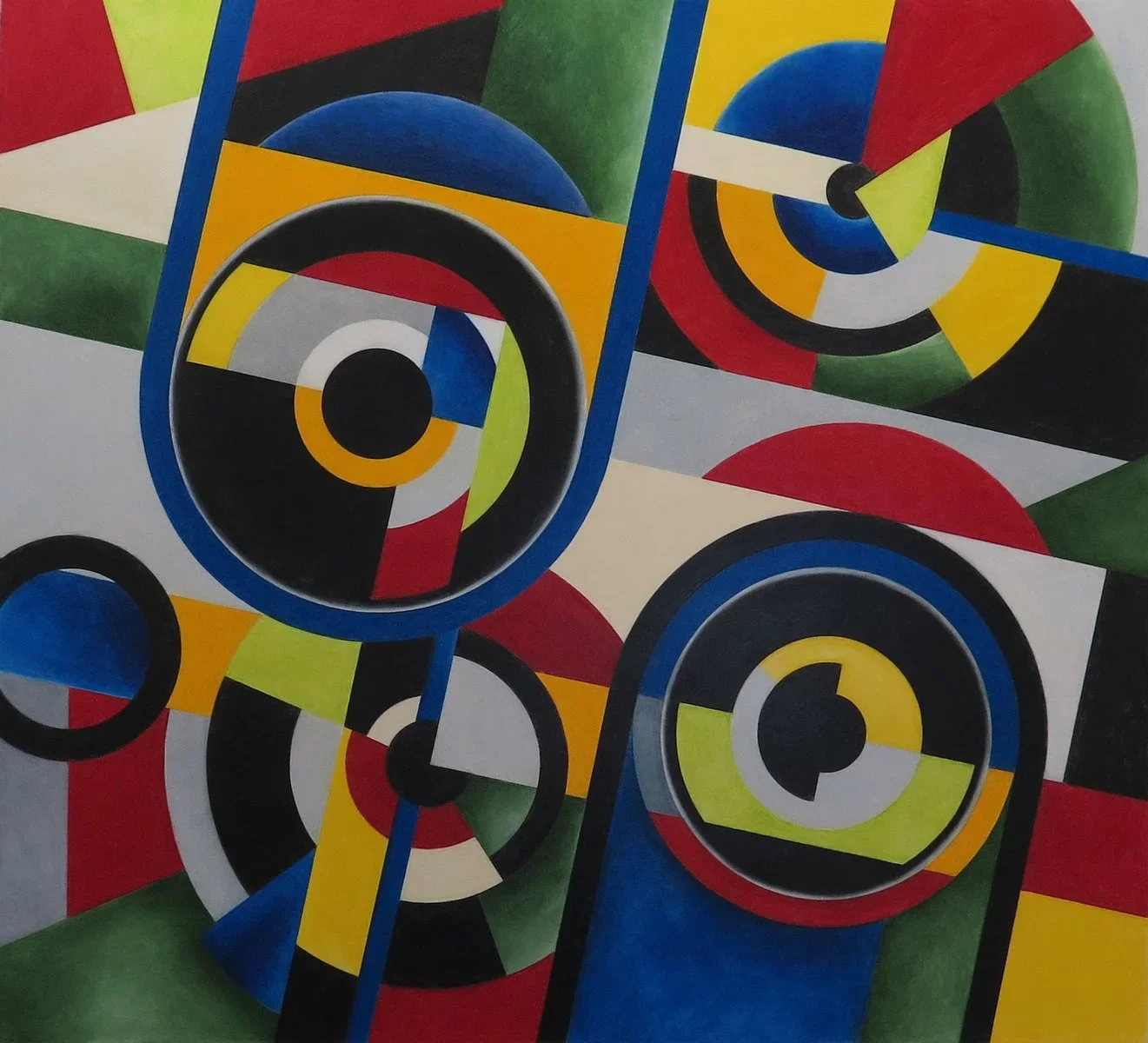
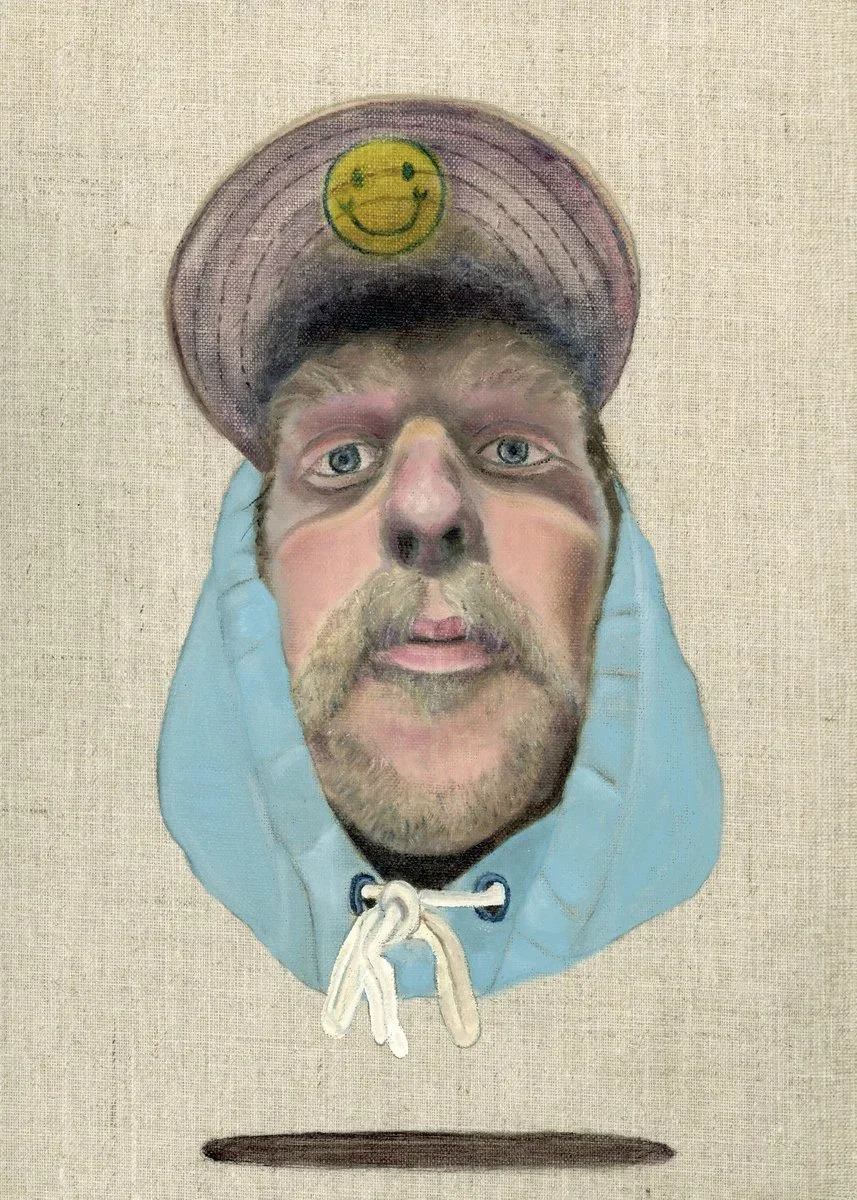
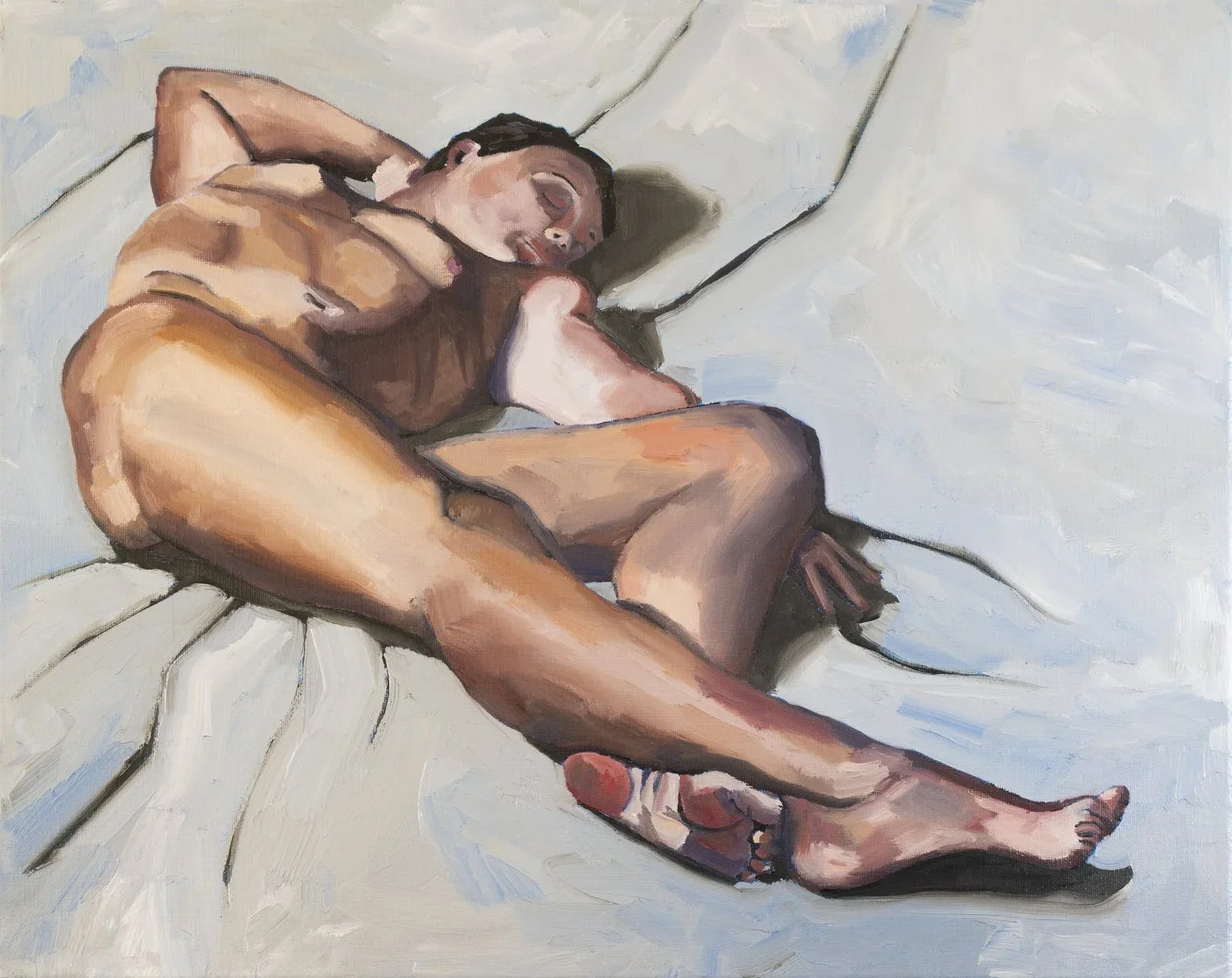
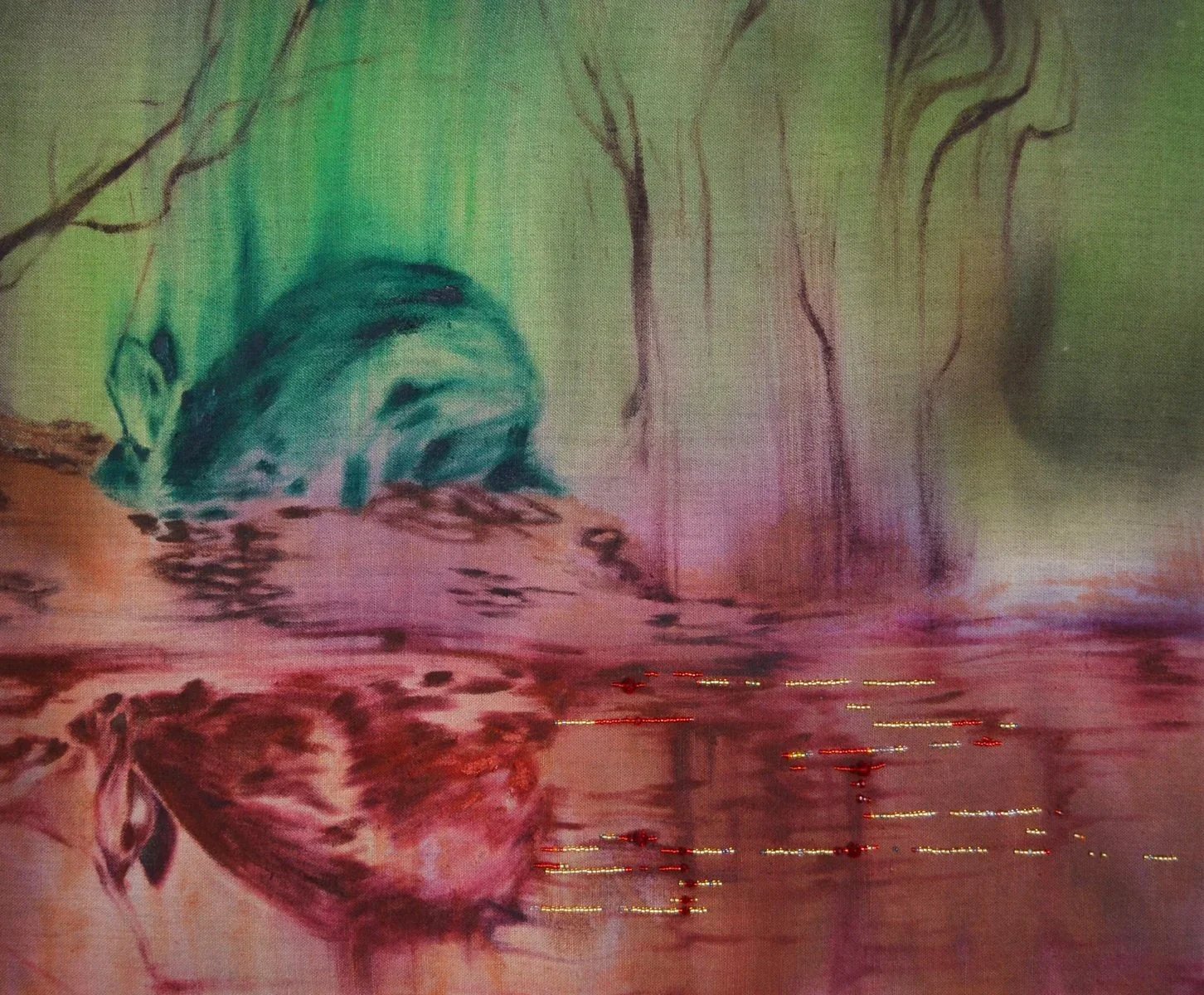
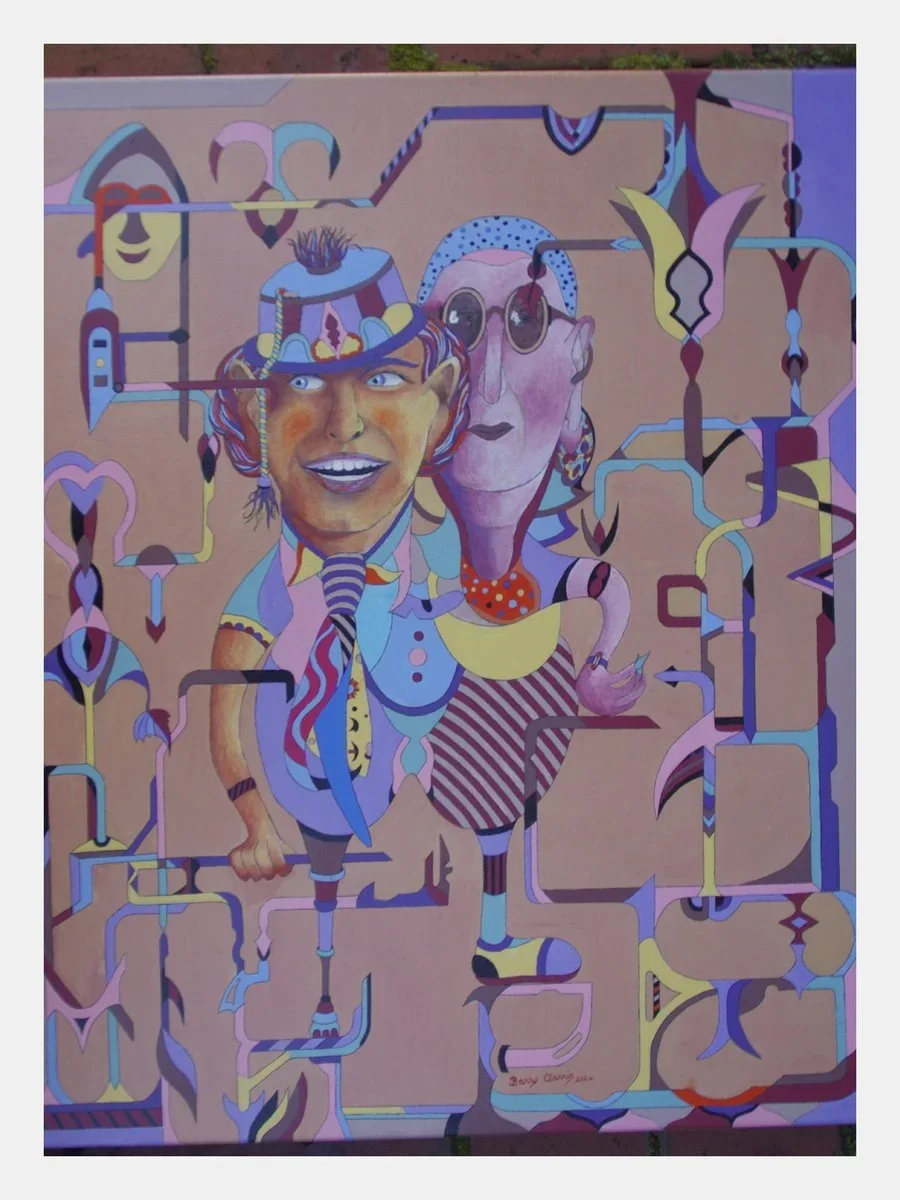
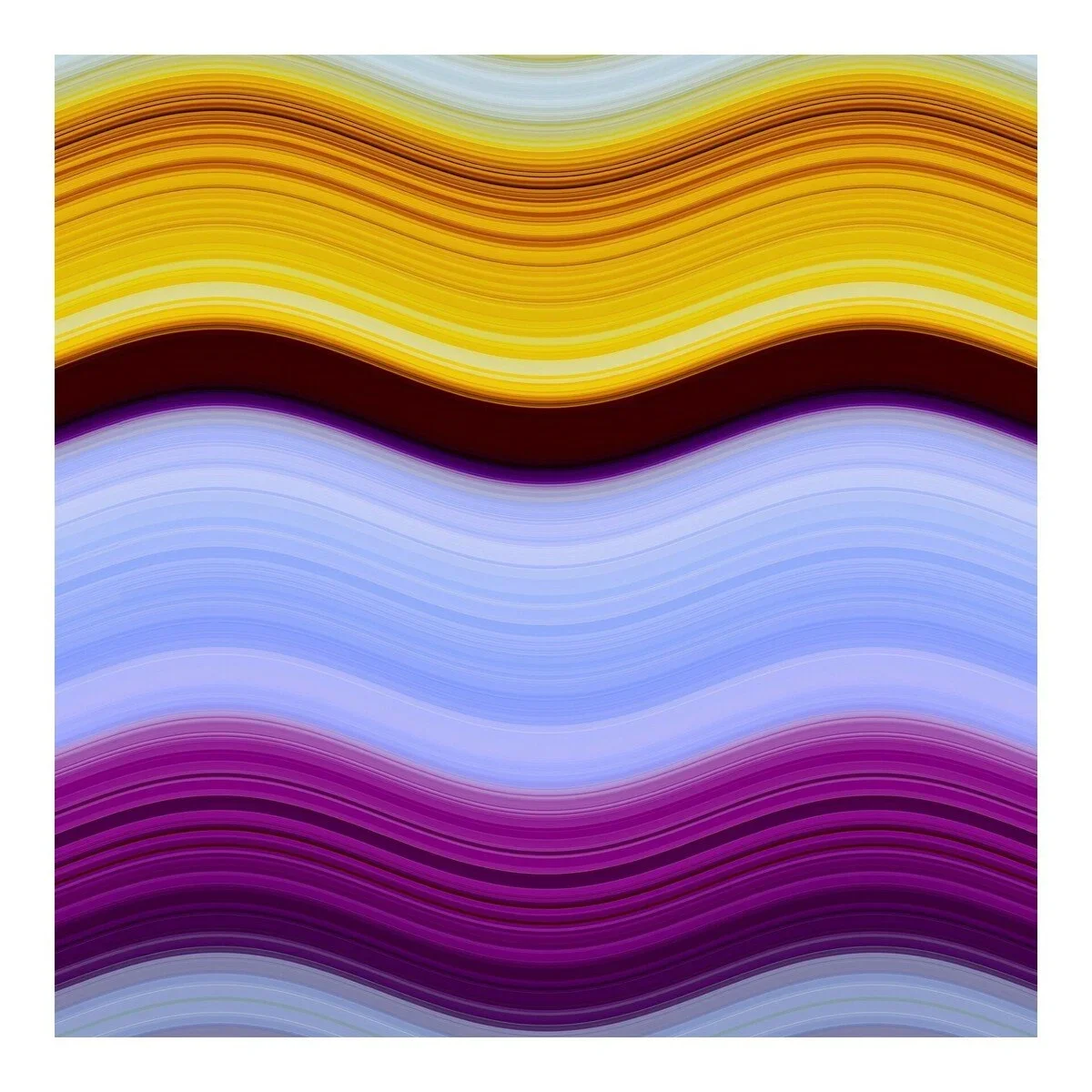
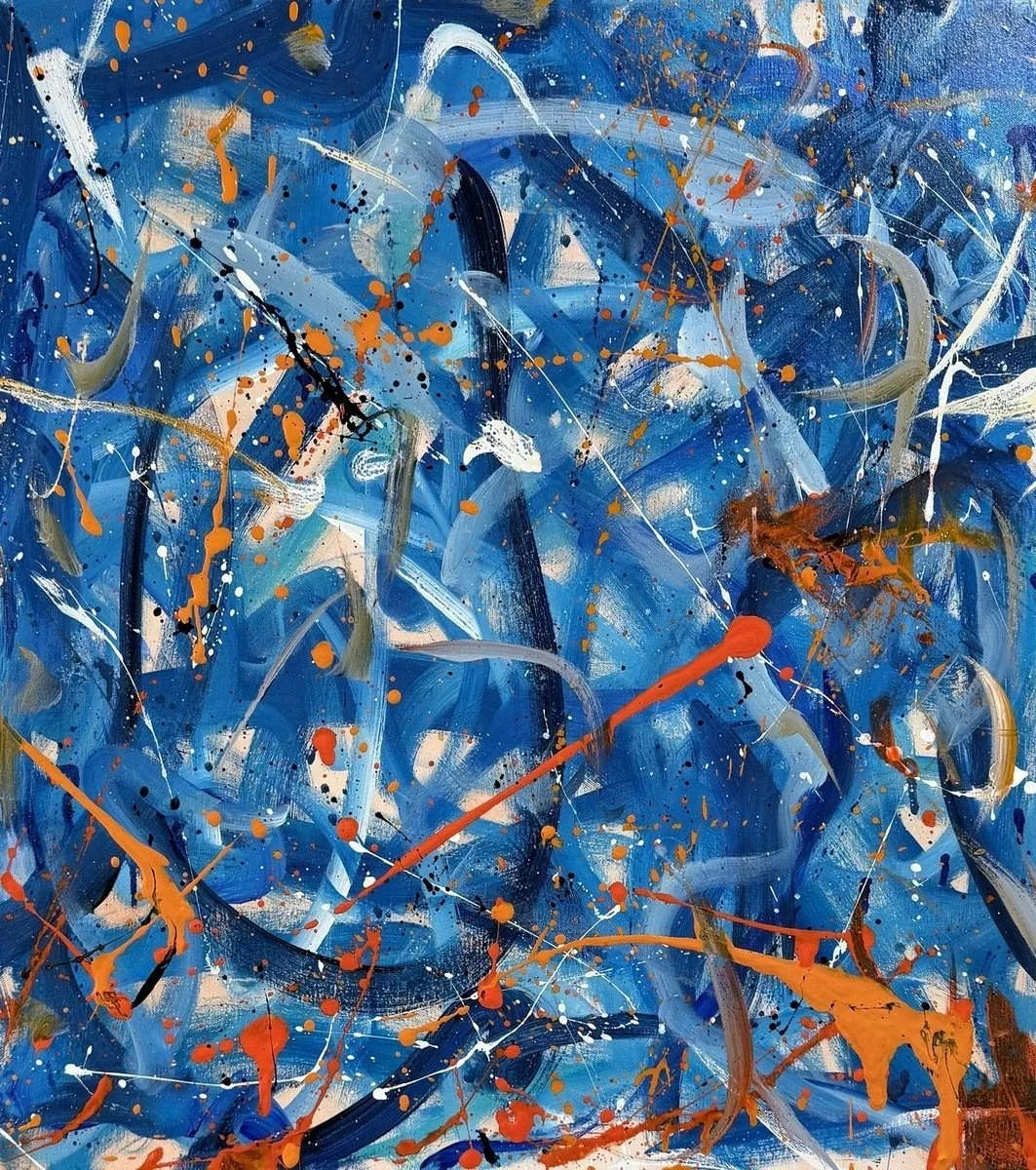
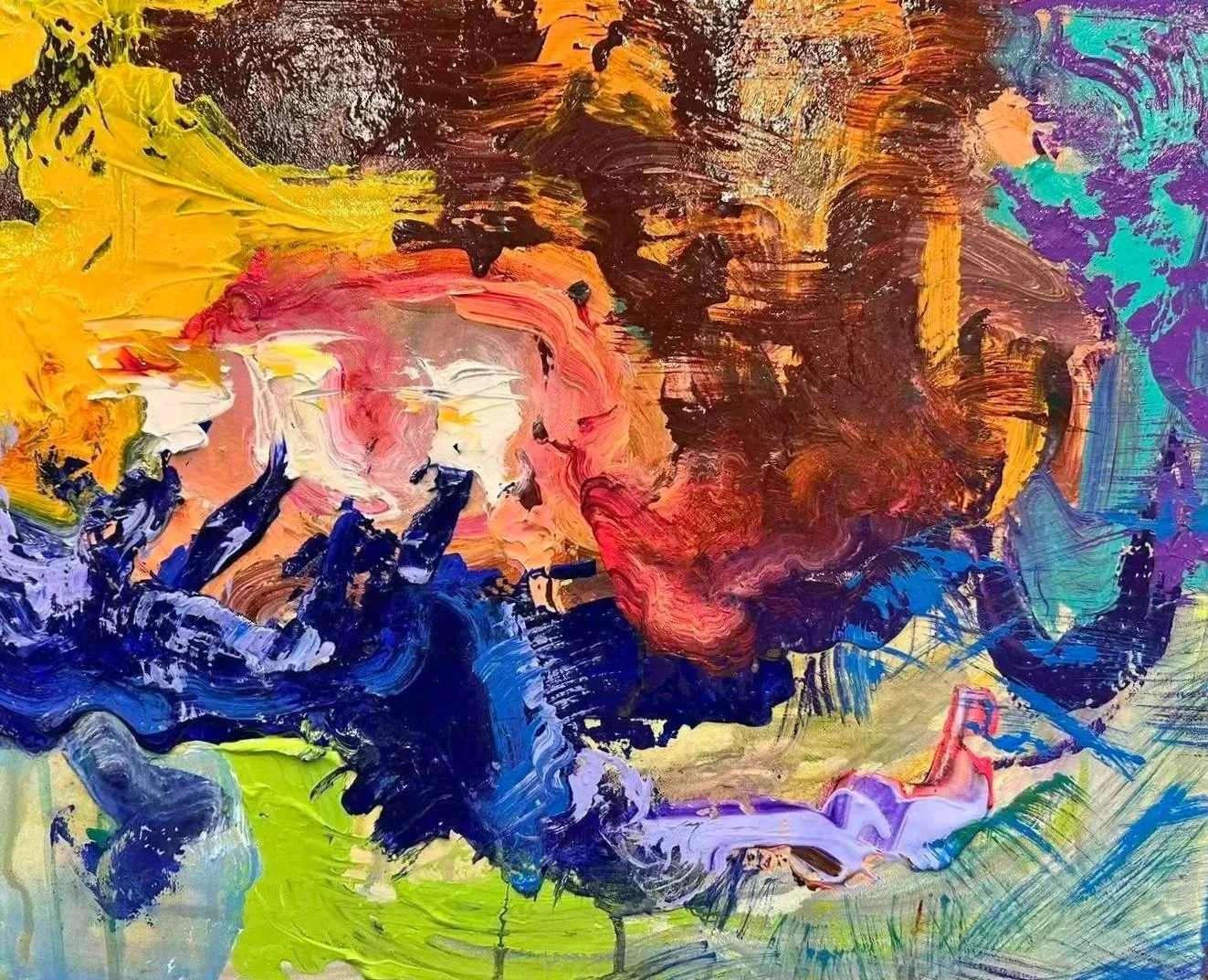
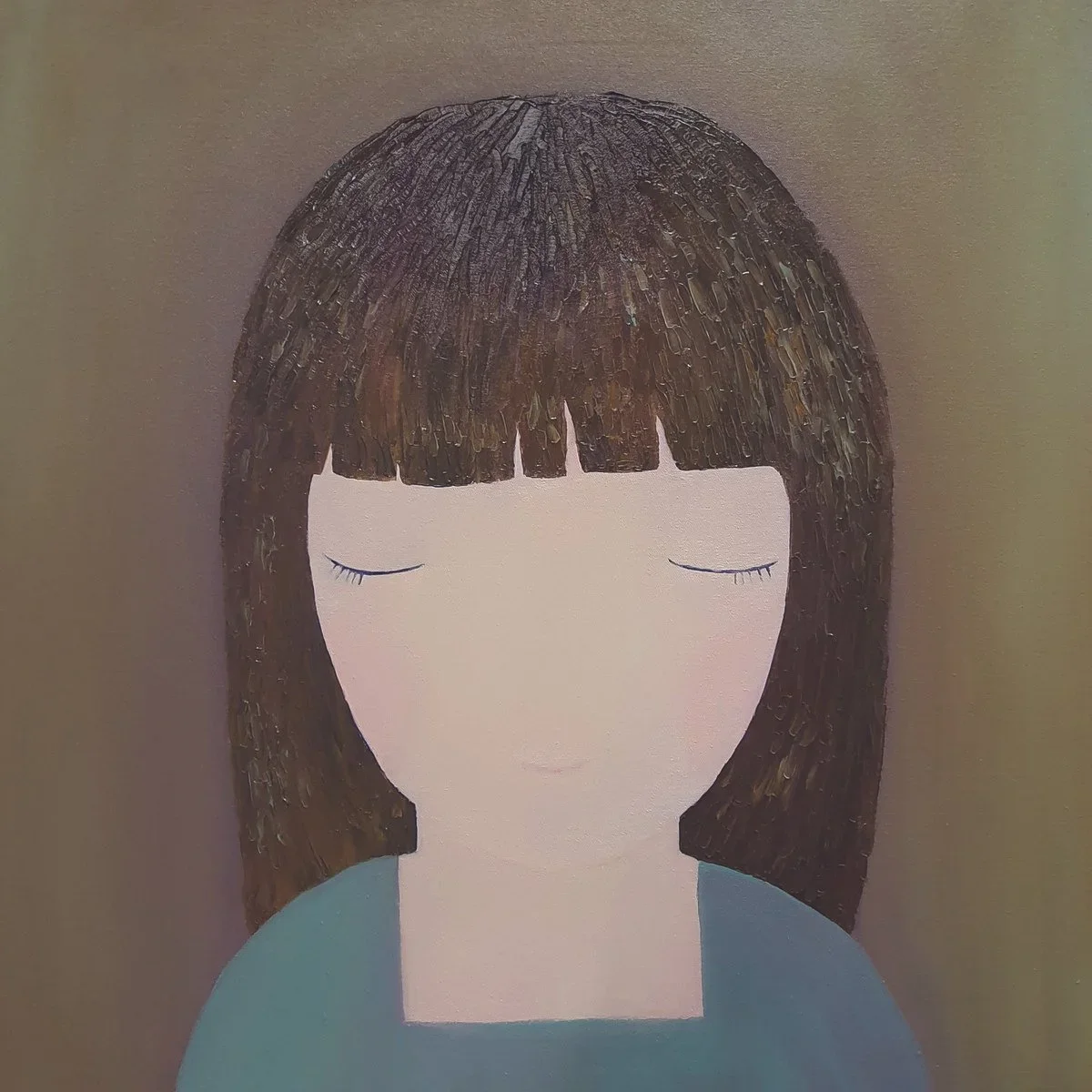
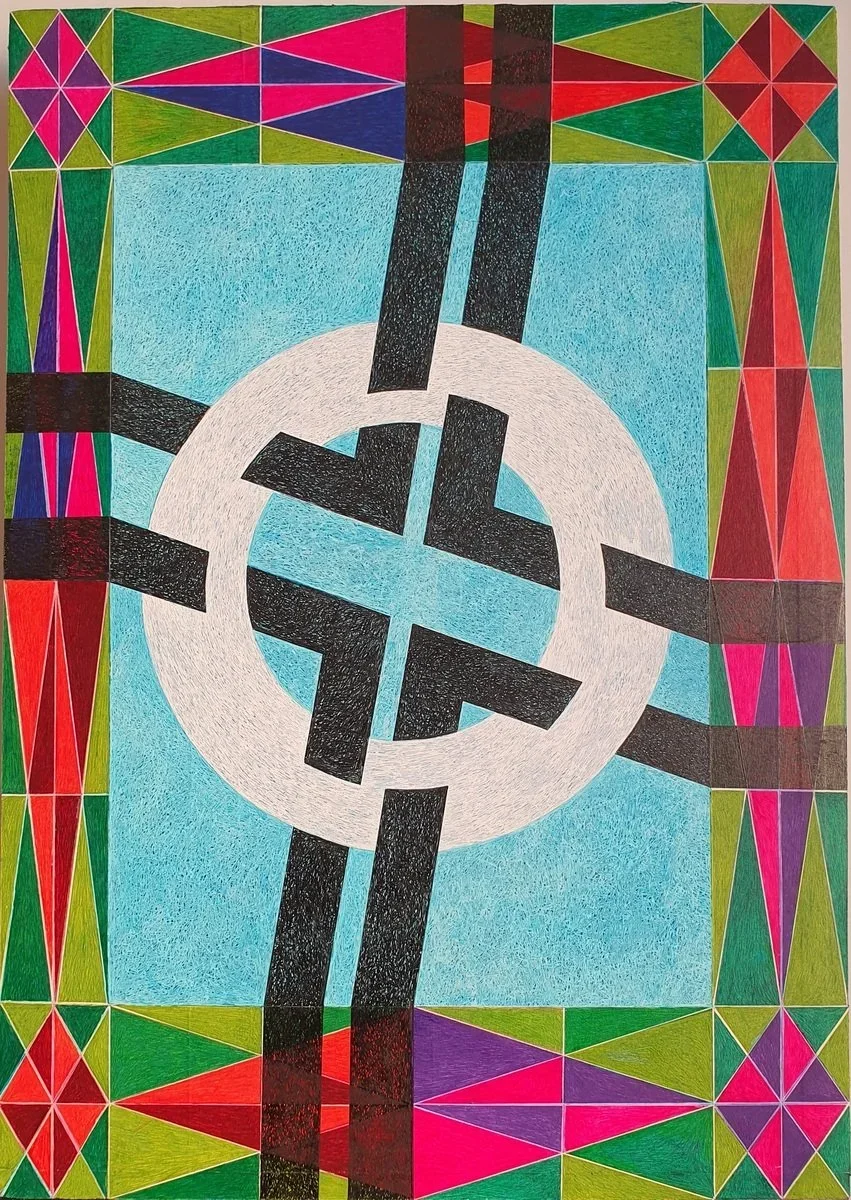
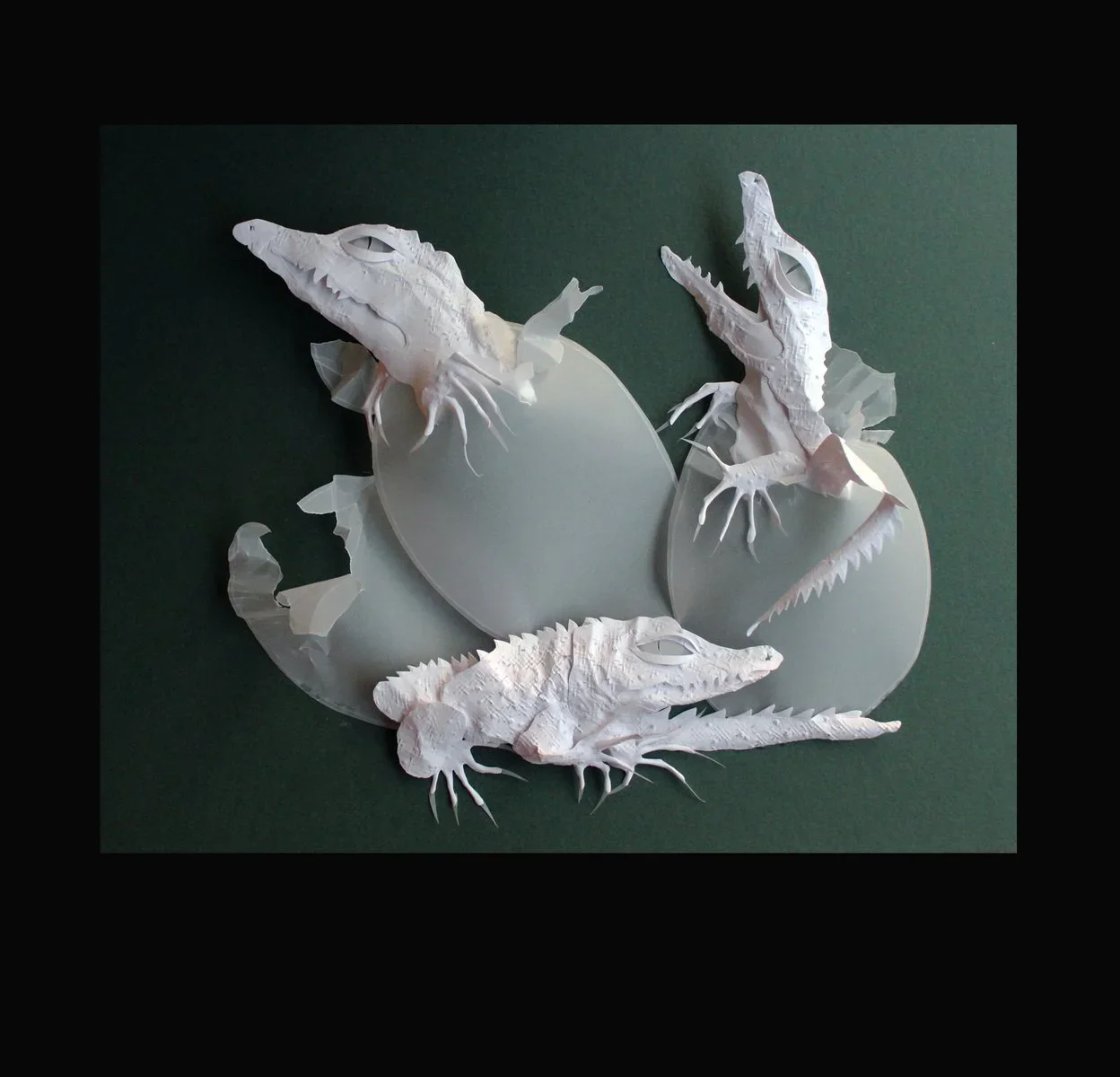
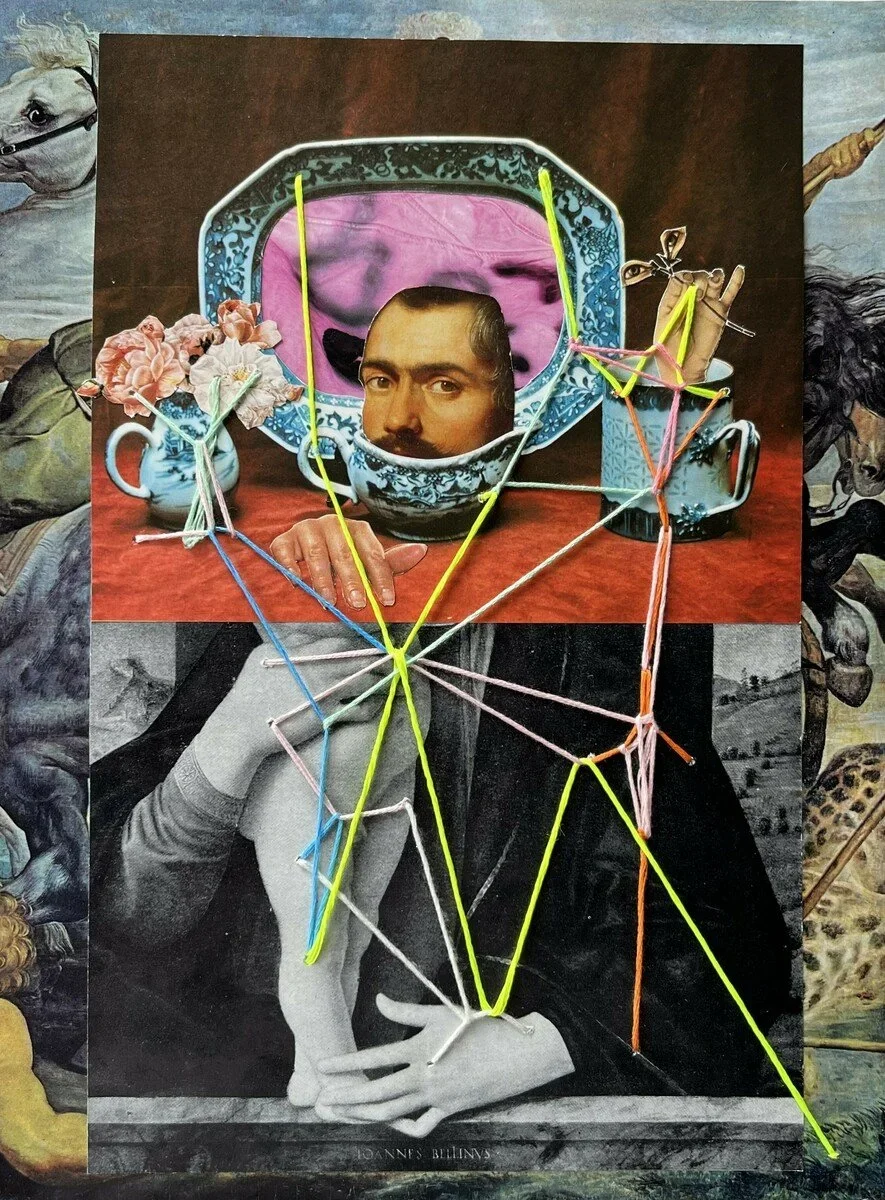
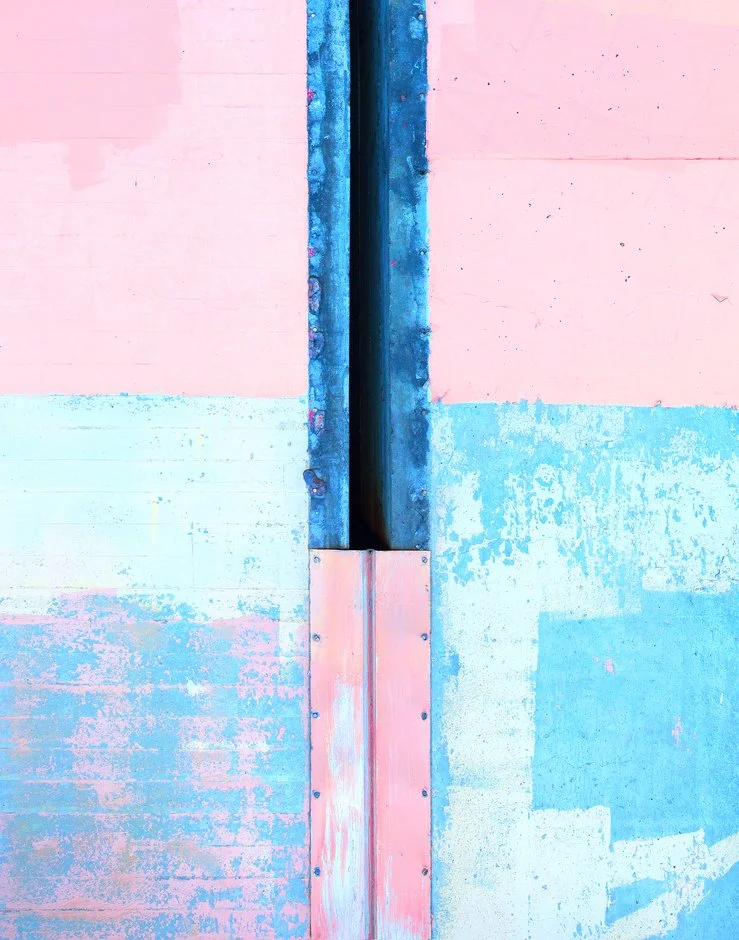
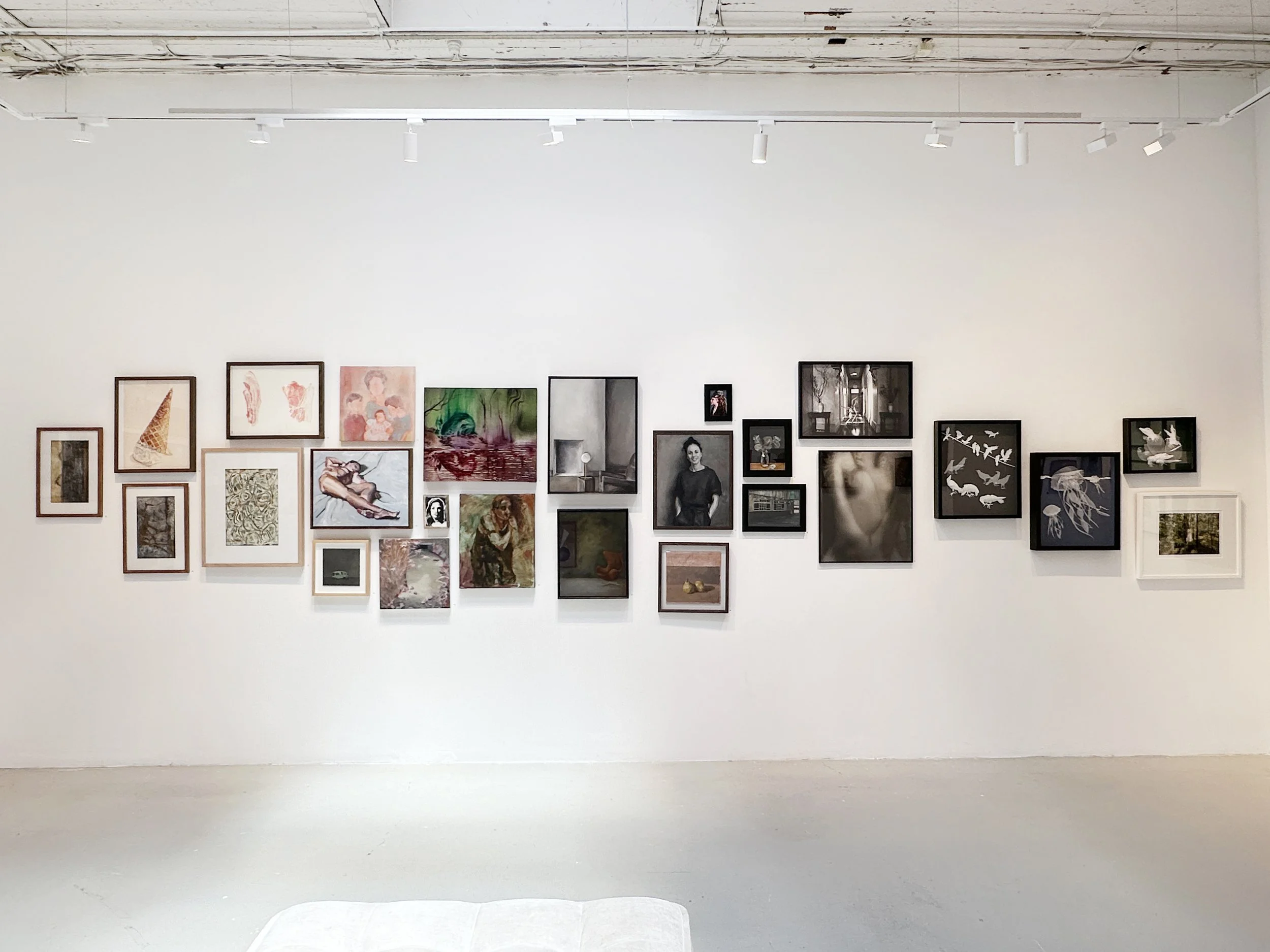
Red Art Prize 2026 marks the inaugural edition of a new annual exhibition within Red Gallery’s program. Launched at the beginning of the year, the exhibition celebrates the richness, diversity, and vibrancy of our art community.
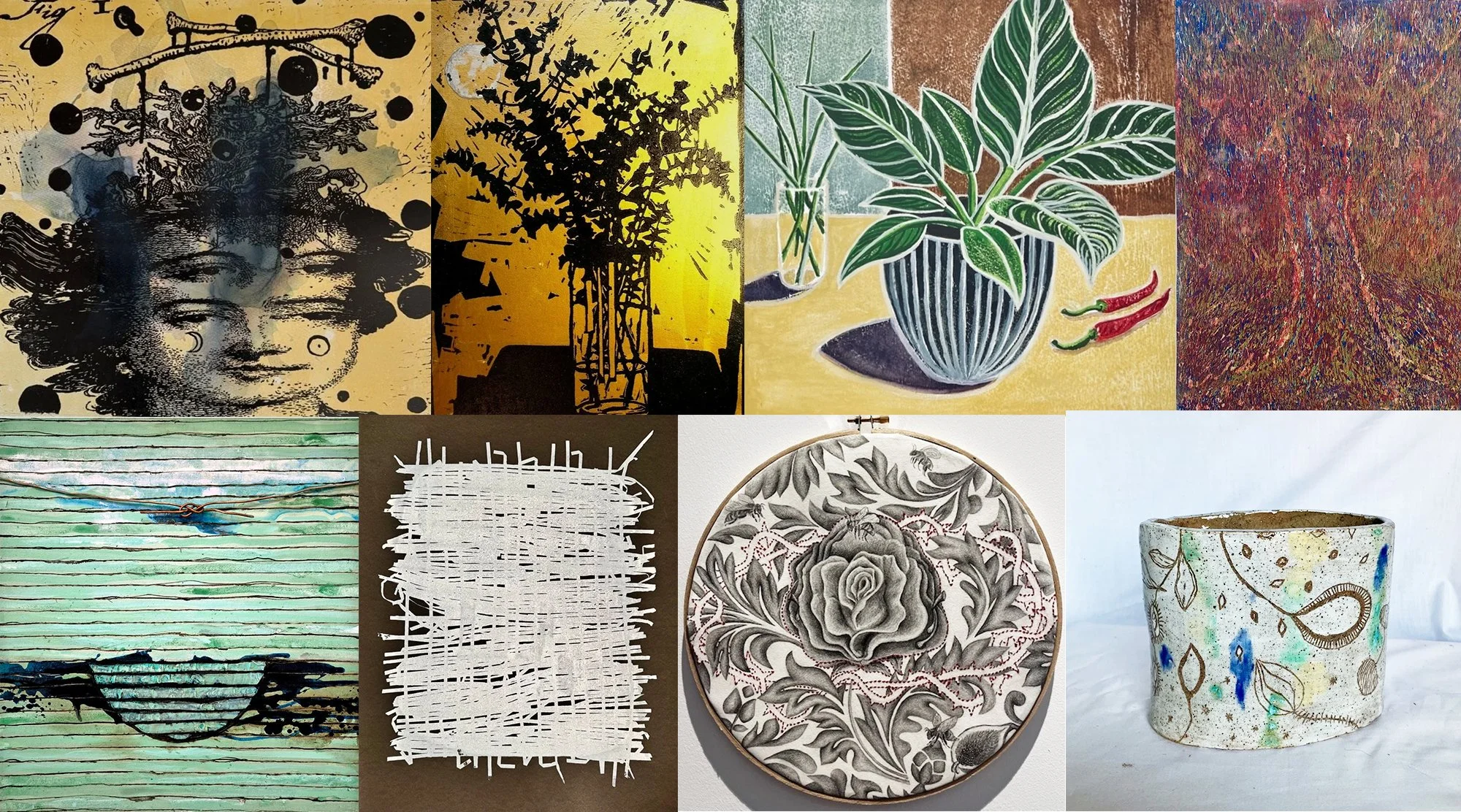
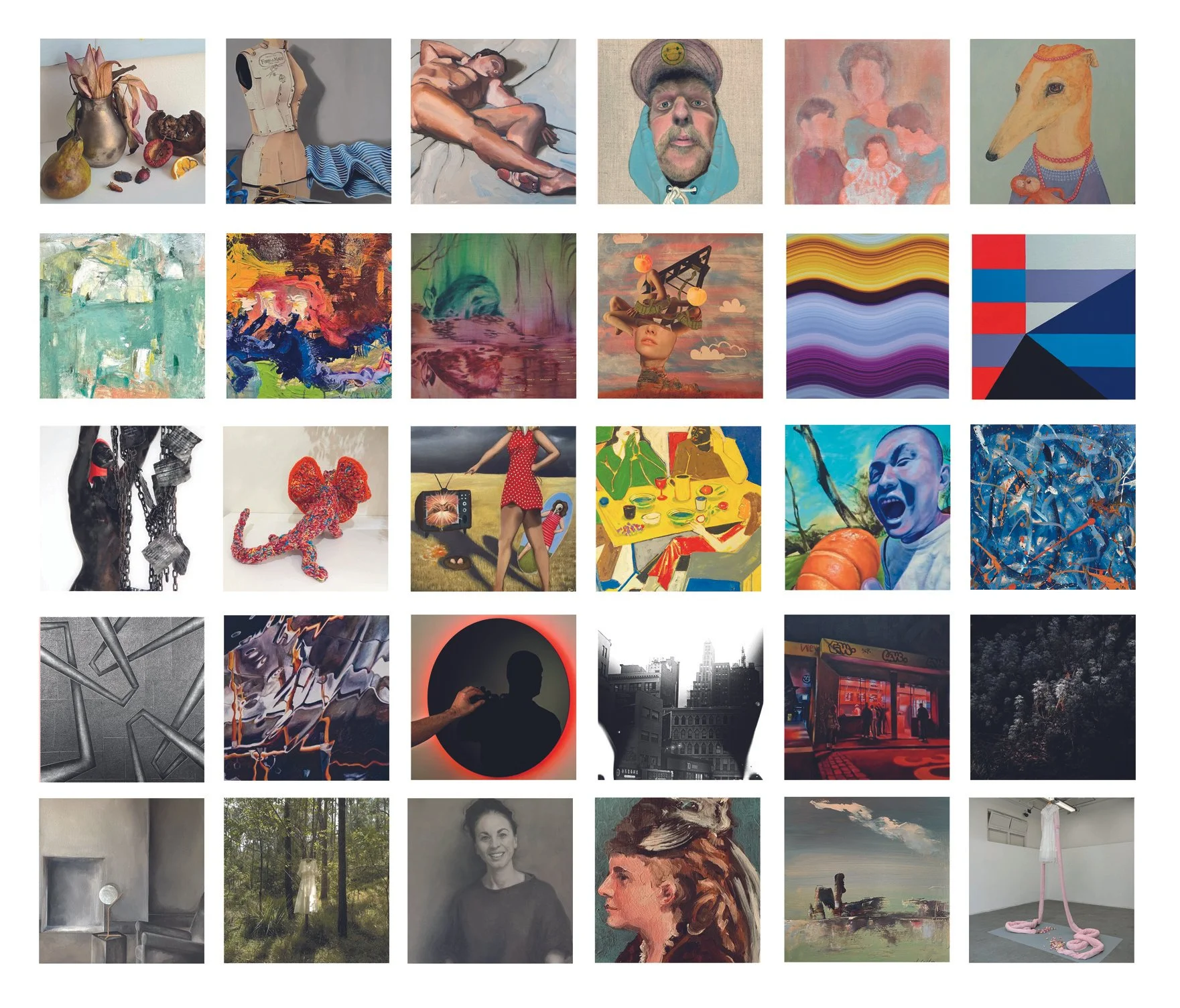
In keeping with Red Gallery’s commitment to inclusivity and accessibility, Red Art Prize 2026 is presented as an open call exhibition with no selection process. All artists who entered are included — emerging and established, experimental and traditional alike. The exhibition brings together nearly 181 works submitted through the open call.
Artists List
Molly Morris-McGinty, Dick Verwey, Liza Posar, Marilyn Edgar, Almay Jordaan, Grace Turner, Richard Monger, John Renkin, Ilonka Bokor, Holly Baker (Holly would), Paula Maggs, Ching Liang, Sandra Batten, Andrew Mark Coldrey, Shane Trail, Angela Marcuccio, Tracy Potts, Andrew Maes, Lucy Taylor (Lu Morgan), Shae Raelle (S. Raelle), Ilan El, Ethan Rose, Catherine Hockey, Yukiko Ueno, Eddy Burger, Lucia Roohizadegan, Ying Huang, Dieter kraus, Marina Floreancig, Kirsi Reinikka, Qian Zhou (Wen Wen Zhou), David Farries (Davied P.J Roach), Stephanie Bradshaw, Ruby Wyatt-Carter, Ruth Shepherd, Louise Antonello, Rochelle Tissa, Isabella Seraphima Rose (Isabella Olgers), Sally Tape, Rebecca Maes, Anne-Rita Vleugel, Samantha Cuffe (Samantha Mihaly), Mary-Anne Stuart, Antonietta o’keefe, Kerry Herrmann, Jo Nixon, Itta Somaia, Laura Wright, Lauren Grixti, Kathy Fahey, Jill Bond, Jennifer Leggett, huimin li, Shay Pappas, Yungyeom An (Tiffany), Ruby Hogan, Olga Lierre, Angela Ndalianis, Clive Douglas, Carmelina Casely, Maree Povey, Savannah Nicholls, Georgia Mulholland, Viisti Dickens, Anna Lloyd-Parker, Ace Jimenez, Louise Gay, Vittoria Cugno, Julia E Mackie, Alia Borodina, Emily Burgess-Orton, Amanda Karakas, Rachel Wyatt, Megan-Jane Johnstone, Elvera Andrews, Linda Leftwich, Nadine Lineham, Justine Wake, Crystal Wu, Laurie Guetat, Barry Clarris, Helen Henwood, Lisa Buckland, Fleur Brett, Mia Herreen, James Annesley, Yeeun Oh, Rosemary Pattison, Paula Reade, Deborah Klein, Colin Vickery, Wirra Vial, Rebecca Norris, Virginia McKenzie, Amber McCaig, Alycia Wilson, Yige Chen, Virginia Harkin, Geoff Baker, Poppy Skipper, Aurora Burnett Kuhn, Anita Smith, Kristian Eldritch, Mary Nguyen, Glenn Murray, Nataliia Hudenko, Carole Adamson, Annie Edney, Andrew Sleeman, Olivia Newing, Kate Murdoch, Monica Costa, Tina Bennett, George Hedon, Bonnie-Jean Whitlock, Connie Wong
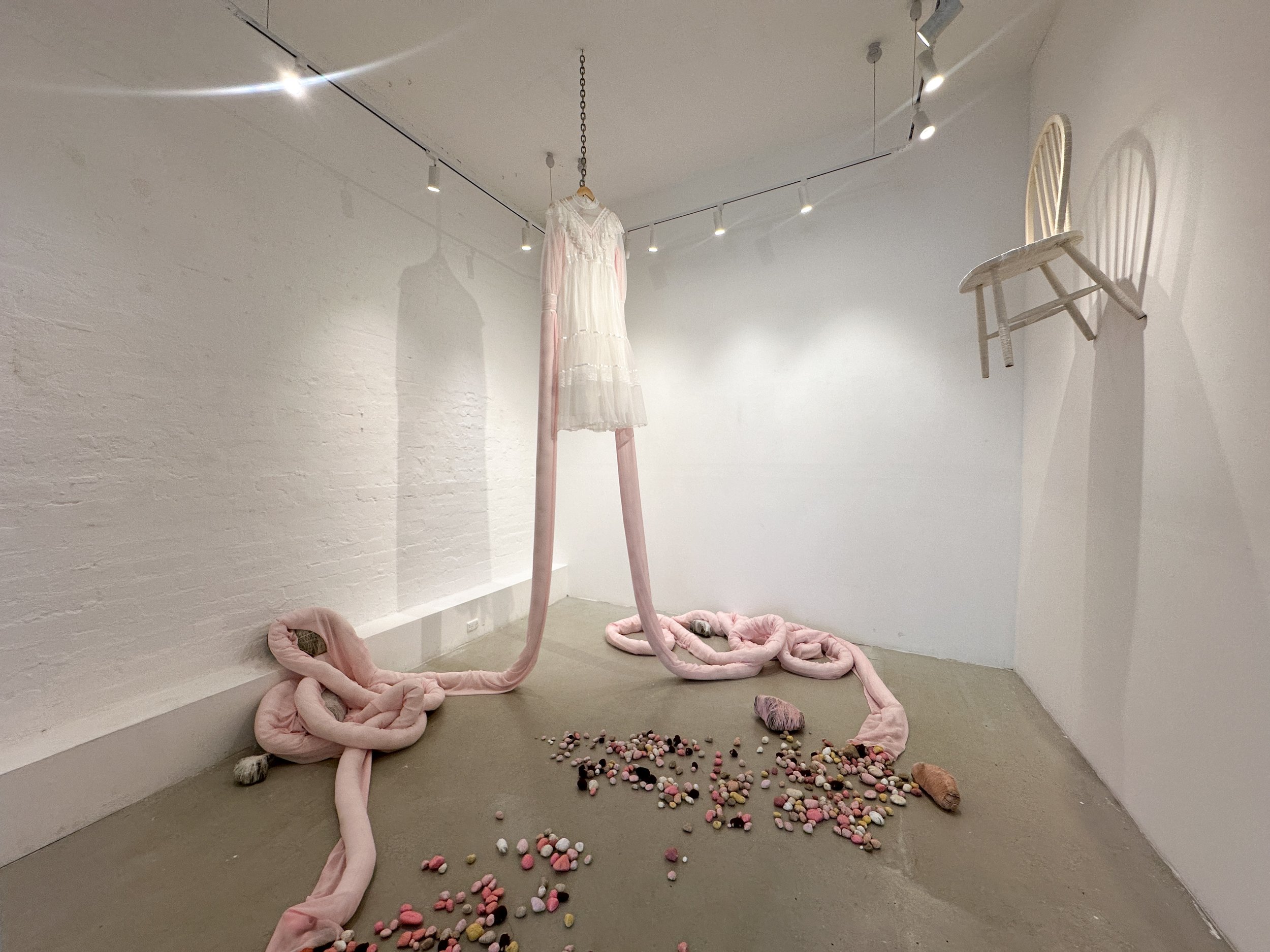
Millie Hopton
G4
RMIT Award Winner
4 - 25 January 2026
Opening night
16 January | 6 - 8 pm
Artist Statement
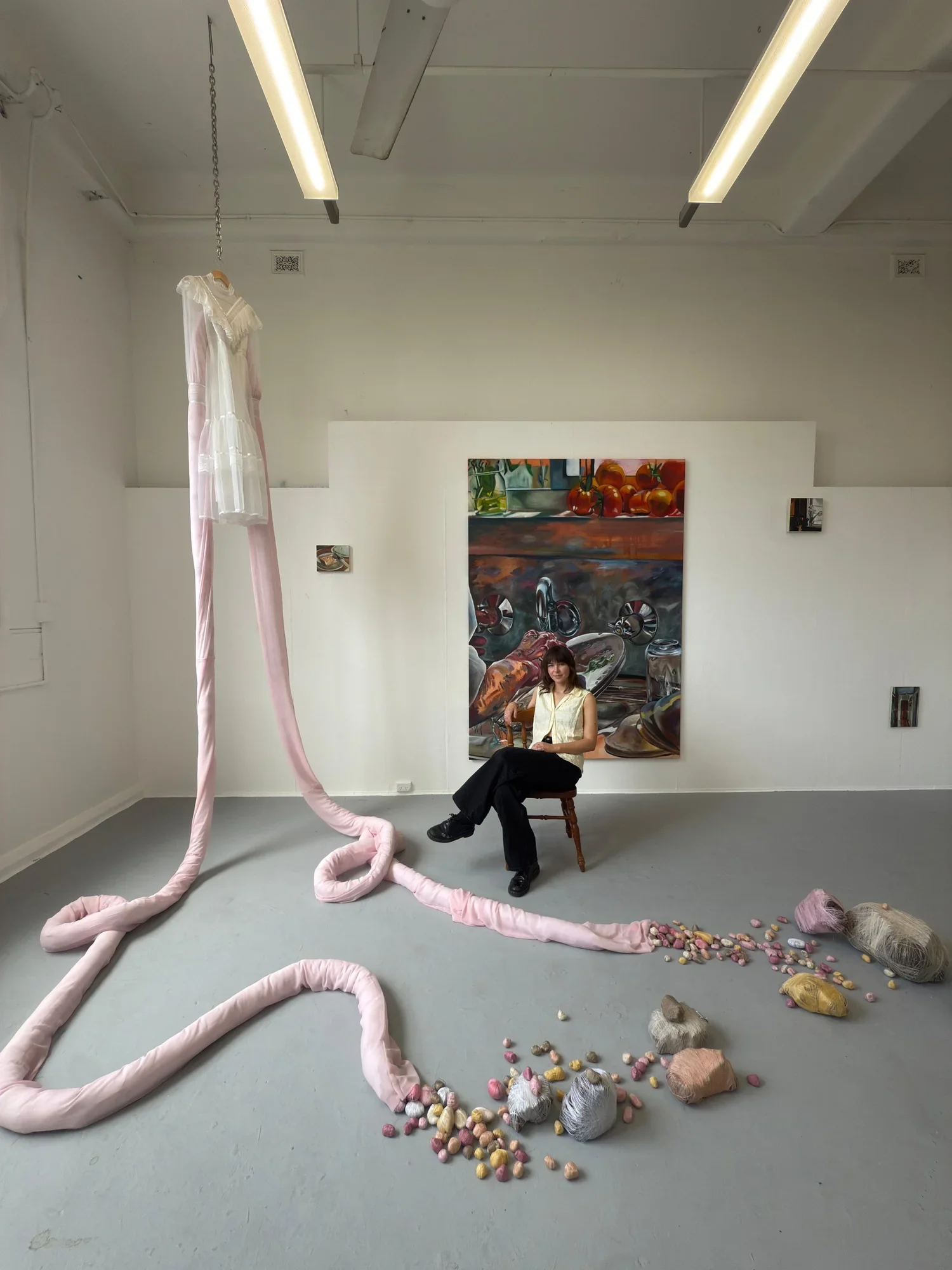
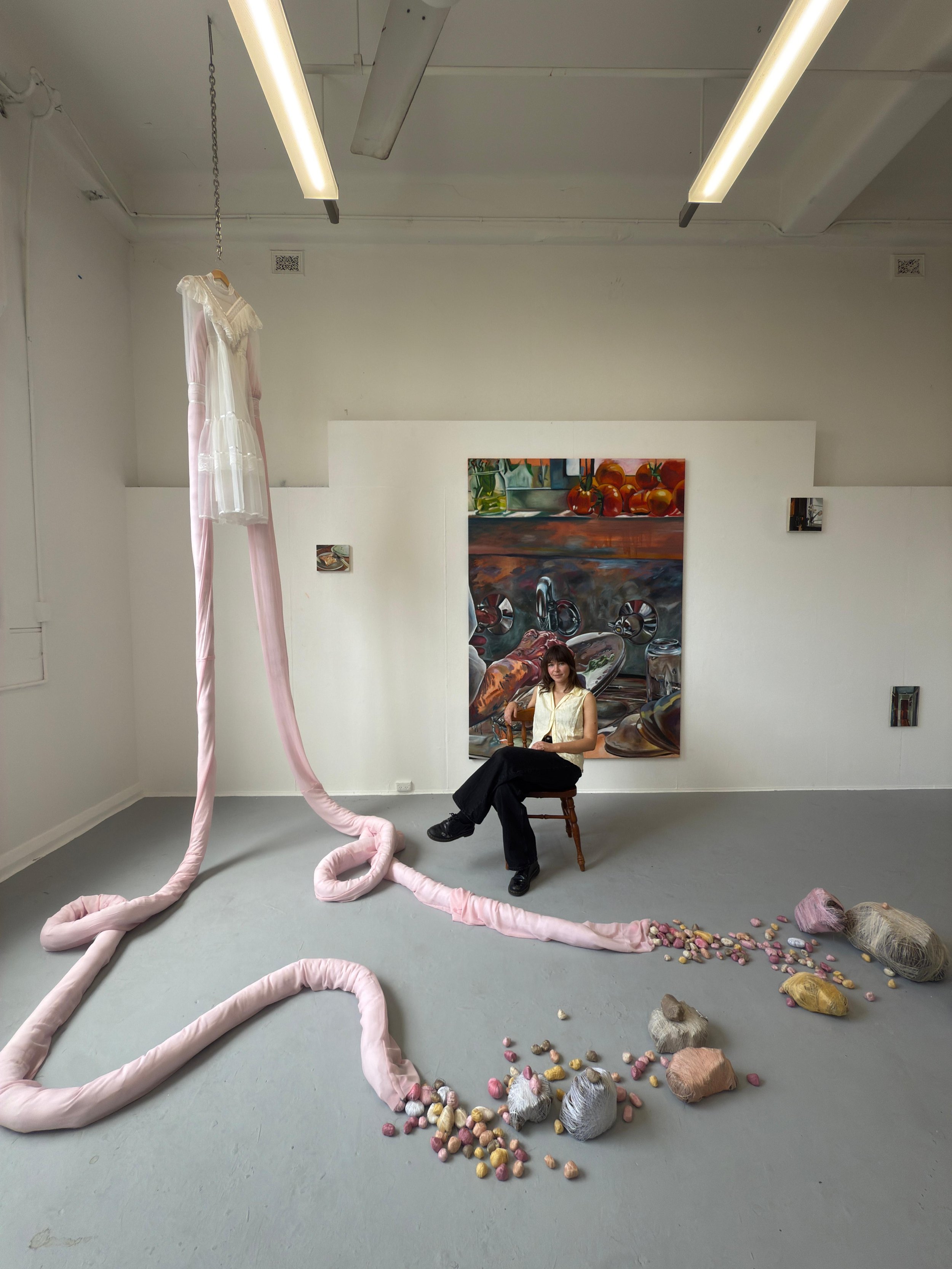
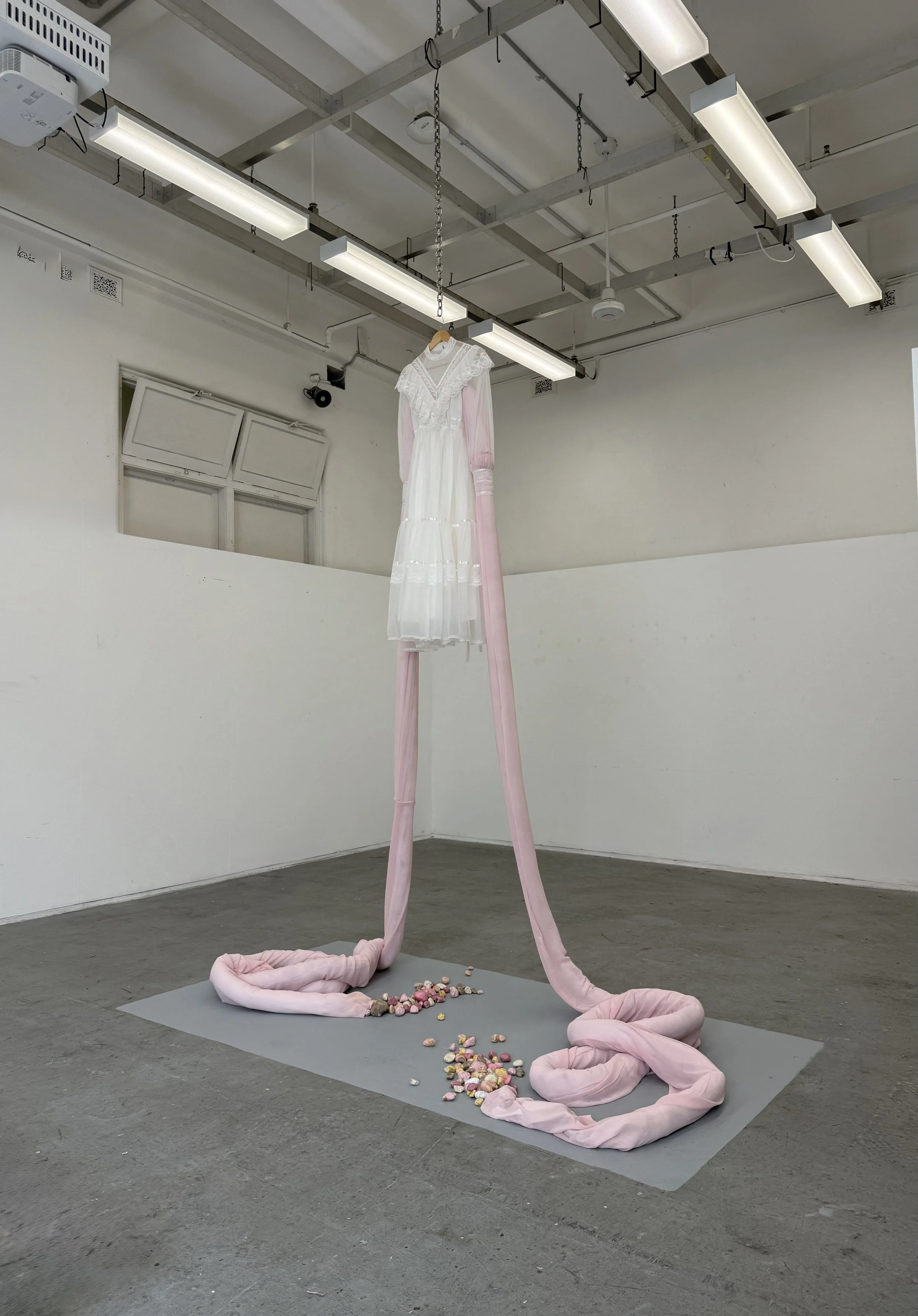
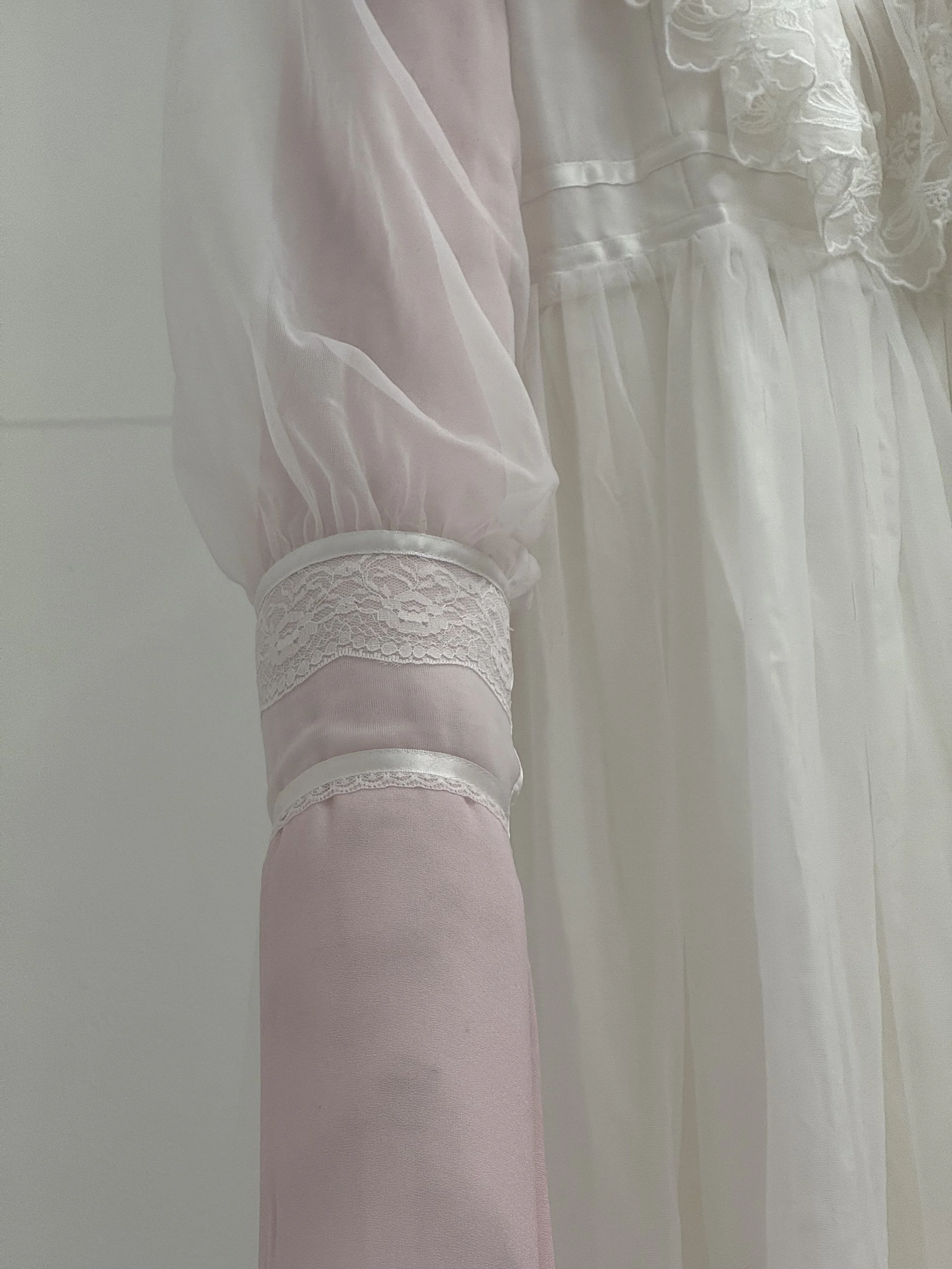
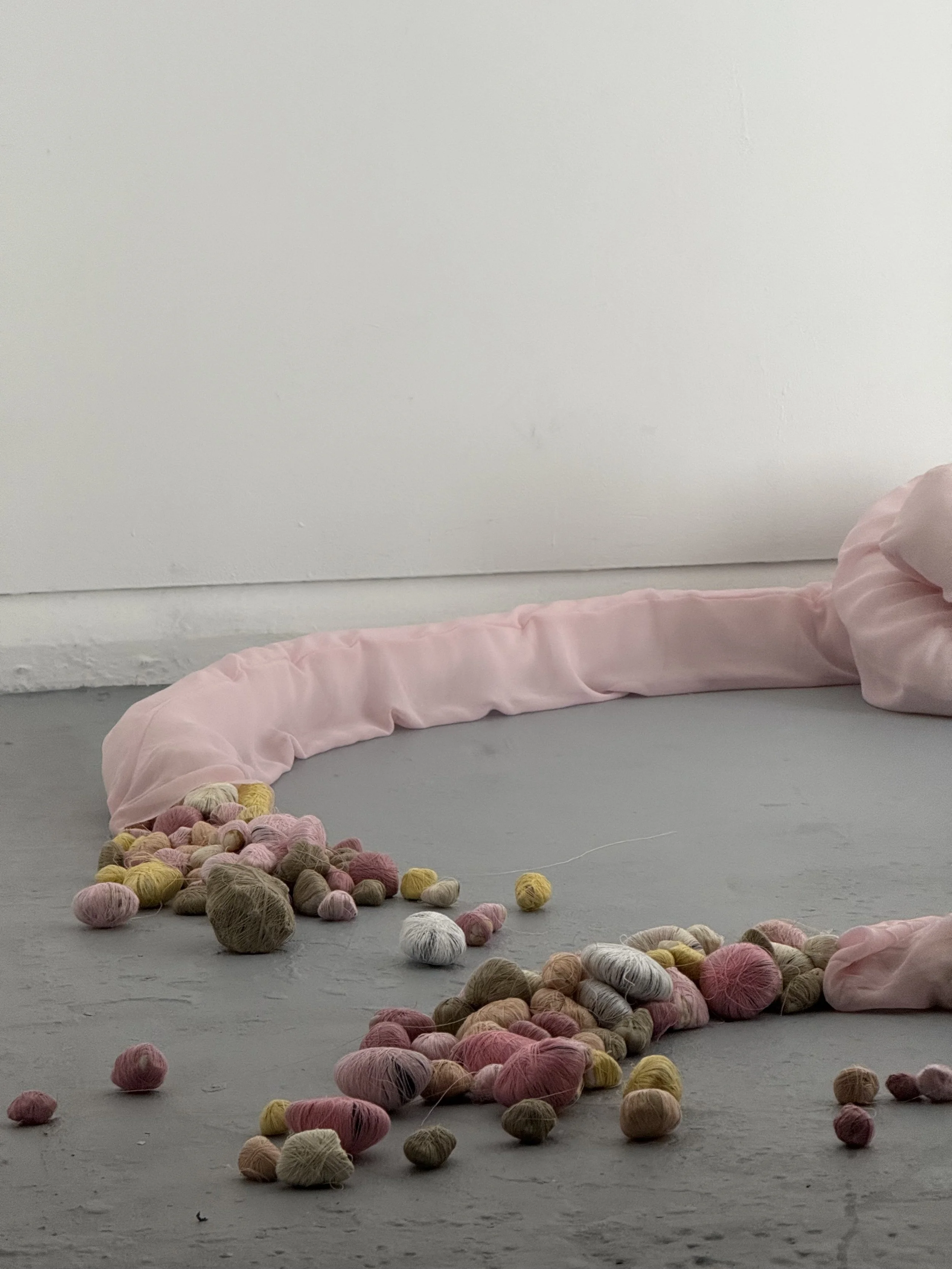
Self Portrait (Of Us): an exploration of complexities and contradictions within contemporary femininity. Through a materially sensitive and introspective approach, Hopton investigates the inherited rituals and quiet violence’s of gendered experience, drawing on personal history, feminist theory, and intergenerational storytelling. Much of her work is informed by the women who have shaped her life, particularly her late Nanna, and the tensions between tenderness and strength, visibility and suppression, care, and sacrifice. Using fibre-based materials, Hopton’s work navigates the complexities of contemporary womanhood, centring the domestic as both a physical space and a symbolic site of emotional endurance. Self Portrait (Of Us), is a deeply personal feminist inquiry into how women carry, conceal, and express their inner worlds – wrapping grief in red lipstick, ambition in quietness, rage in care. Through soft sculpture and installation, Hopton gives material form to the invisible burdens of womanhood, honouring both what is passed down and what must be let go.
Artist Biography
Originally from Kaurna Land (Adelaide) and now based in Naarm (Melbourne), Millie is an Australian artist who has recently graduated with a Bachelor of Fine Arts (Painting) from RMIT University. Her practice is materially driven, and evolves rapidly through her ongoing exploration of surface, colour, texture, scale, and medium. Working across painting, soft sculpture and installation, Millie harnesses personal experiences, feminist theory, and auto-theory to examine contemporary girlhood, and the cultural aftermath of early-2000s pop culture and digital media. Hopton’s work is informed by the psychological impact of hypervisibility, self-surveillance, and the gendered performance of identity, shaped by online platforms and visual culture. Influenced by her immediate surroundings, social interactions and lived experiences, Millie seeks a form of realism that captures the emotional weight of mundane or intimate moments. Through expansive scale, tactile materials, and exaggerated forms, her work invites prolonged viewing and physical empathy, creating spaces where vulnerability, resistance, and critique can coexist. Hopton’s practice challenges dominant narratives of femininity, reclaims the body as a site to reassert autonomy, and to take up space.